Does LSU’s Punt End the Student-Athlete- Pro- Back to Student Drama?

INTERVIEW ON THE PRICE OF BUSINESS SHOW, MEDIA PARTNER OF THIS SITE.
Recently Kevin Price, Host of the nationally syndicated Price of Business Show, interviewed Michael Marino.
The Michael Marino Commentaries
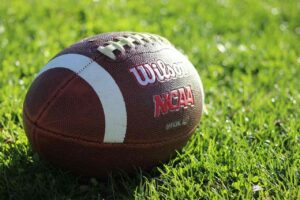
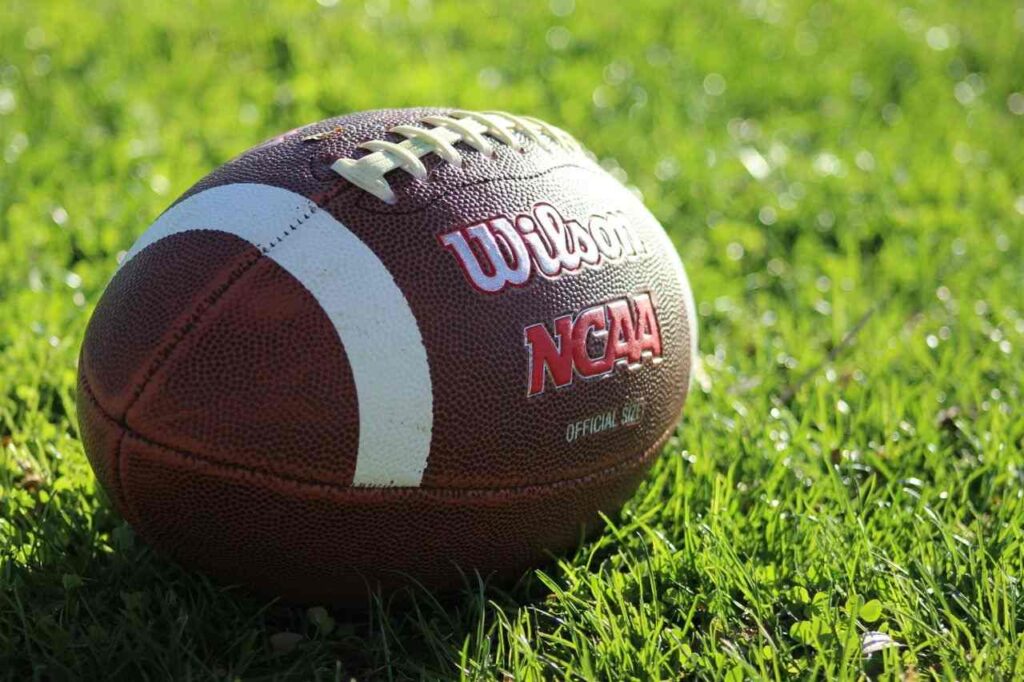
There are many fascinating dramas in today’s off the field college football activities, and no shortage of ever-increasing litigation. No drama was greater, however, than LSU football eliminating the final vestiges of “boys to men” as college student-athletes, by proposing “men can be boys again” ! Let the “men” come back and play.
The issue was framed when it was announced that two former college football players, Dae’Quan Wright and Zxavian Harris, who went to NFL training camps, then decided they would like to return to the college campus. In conflict with existing NCAA rules and traditions, whereby professional athletes forever forfeit collegiate eligibility, Wright & Harris obtained an injunction from a Louisiana state court judge that prohibited the NCAA from enforcing its rule. The judges said they can play. No grade point average required. The SEC, who opposed such actions, then stepped in and issued its own new Conference rule prohibiting any athlete who has signed a professional contract from playing college sports again. You can go back to class, but no playing on the field. The rule implemented significant fines and penalties against Member schools, including suspension from the Conference, to raise the stakes. The athletes and LSU then added the SEC as a defendant in the injunction action. The state court judge again ruled in LSU’s favor, and granted a preliminary injunction, preventing enforcement of these rules and penalties by either the NCAA or the SEC. Nevertheless, the SEC threatened LSU with expulsion. LSU hedged at first, leaving open two roster spots, as it headed into the season. After further deliberations, however, LSU elected to punt and completed its roster, thereby eliminating the openings being held for Wright and Zxavian. The risks of non-compliance were too high, even with the injunction in place. For now, the clock has run out on the to suit up for those who received a professional sports paycheck and then return to a college team to play.
This series of events highlighted how far we have come since Walter Camp laid out the rules for modern American football at Yale. The virtues of college student athletes have continued to evolve into a wild west scene, about who and how a school can put up the best players, and with the most NIL money, on the field. The SEC illustrated that the Conferences may wield the most influence now, since the threat of expulsion being levied on one of the highest profile and successful teams and programs in the country appeared to have tipped the scales, where the NCAA could not. Lots of story lines to follow.
Continuing the off the court dialogue, despite global issues and challenges on all fronts, with little being accomplished in Congress, the Protect College Sports Act emerged from a closure vote with 74 supporting senators. Opposition raised on several fronts did not prevail, and as we speak, the bill appears headed to the Senate floor for an actual vote. Opposition still is forthcoming in the House. The outcome is a game day coin toss, but the President has indicated if passed he will sign the bill to “save college sports”.
Still ongoing are various challenges to unionization among college athletes, despite more voices being heard in favor of collective bargaining. On the non-sports front, despite a shift in approach to more friendly employer interpretations at the NLRB, union sentiment appears to be gaining traction, since unions are winning more elections recently. There can be lots of speculation on why, but uncertainly, including the effects of AI on various jobs, could be driving second looks at what unions could provide as protection, even if the reality is different. These debates will continue. In the interim, the NLRB is finally at full strength with a Trump majority, and it is slowing rolling back some of the priorities of the Biden administration’s Board members. Lots to follow on all fronts.
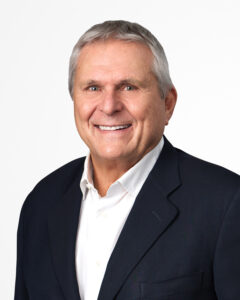
Michael Marino is a NYC-based management labor, employment and entertainment lawyer who for decades has represented corporations, executives, celebrities, sports figures, and influencers. A member of the College of Labor and Employment Lawyers, he has tried federal court cases across the country and negotiated hundreds of collective bargaining and marketing agreements. Before entering private practice, he served proudly as an officer in the United States Marine Corps, and as Special Counsel to the Secretary of the Navy. He is a graduate of Georgetown University Law Center, Syracuse University College of Law, and Cornell University’s School of Industrial and Labor Relations.
Learn more at https://www.seyfarth.com/people/michael-f-marino.html/.
Connect with Michael on social media:
LinkedIn: https://www.linkedin.com/in/michaelfmarino
Twitter/X: https://x.com/seyfarthshawLLP
Explore more insights at https://thedailyblaze.com/.

About Author