Don’t Let April Showers Ruin Your House: 4 Spring Plumbing Emergencies and How to Stop Them
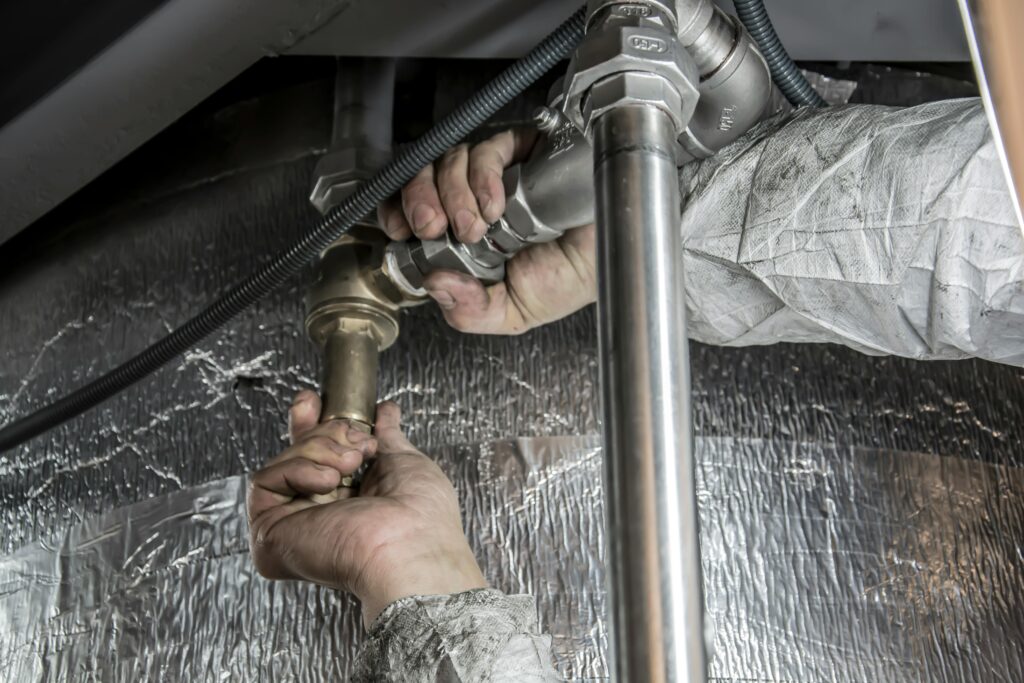

Spring is supposed to be about opening the windows, packing away the heavy winter coats, and finally getting back outside. But for homeowners, the transition from freezing winter temperatures to heavy spring rain is the exact recipe for a massive, expensive mess. The ice thaws, the ground shifts, the rain pours, and your pipes suddenly decide they have had enough.
Most people assume that plumbing disasters only happen in the dead of winter when things freeze solid. But the harsh reality is that winter damage often hides until the ice actually melts and the water pressure returns. By the time you notice a puddle in your basement or a soggy patch in your drywall, you are already looking at thousands of dollars in water damage and mold remediation.
Instead of crossing your fingers and waiting for a pipe to burst, bringing in a professional plumbing service for a routine spring inspection is the smartest way to protect your property.
Here are the most common plumbing emergencies that hit the second the weather warms up, and exactly how you can stop them before they ruin your weekend.
1. The Hidden Exterior Hose Bib Fracture
When you go outside on the first warm Saturday to wash your car or water the garden, you turn on the outdoor spigot. Water comes out of the hose, so you assume everything is fine.
What you can’t see is that over the winter, residual water trapped inside the pipe just behind the brick wall froze, expanded, and cracked the copper. Because the crack is inside the wall, the water doesn’t spray outside—it sprays directly into your basement or wall cavity every single time you turn the hose on.
How to Prevent It: Before you attach a hose this spring, turn the spigot on and place your thumb over the spout to restrict the flow. If you can easily stop the water with your thumb, the pressure is leaking somewhere else (likely inside your house). Go inside and listen closely to the wall behind the spigot. If you hear rushing or hissing water, shut off your main water valve immediately.
2. The Seized-Up Sump Pump
Spring brings heavy, relentless rain. Your sump pump is the only thing standing between that rainwater and a flooded basement.
The problem is that your pump has likely been sitting completely idle in a dark pit for the last four or five months. Mechanical parts that sit in damp environments rust and seize. When the first massive thunderstorm of the season hits, an untested, seized-up sump pump will hum, overheat, and fail instantly, leaving you with three inches of standing water in your downstairs living room.
How to Prevent It: Do not wait for the local meteorologist to predict a storm. You need to test your pump manually today. Take a five-gallon bucket of water and dump it directly into the sump pit. The float switch should rise, the pump should kick on immediately, and the water should drain out of the pit within seconds. If it just vibrates or does nothing at all, you need to replace the motor immediately.
3. Tree Root Sewer Infiltration
When spring arrives, the trees and shrubs in your yard wake up and go into overdrive, desperately searching for water and nutrients to fuel their new seasonal growth. The easiest, most consistent source of water on your property is your underground sewer line.
If there is even a microscopic, hairline crack in your older underground pipes, tree roots will find it. They force their way inside, multiply, and create a massive, dense clog that completely blocks the pipe. The very first sign of this is usually raw sewage backing up into your ground-floor bathtubs or toilets when you run the washing machine.
How to Prevent It: If you live in an older neighborhood with large, mature trees and you notice your drains are suddenly emptying very slowly this spring, do not pour harsh chemical drain cleaners down the sink. Chemicals will not dissolve a thick wall of tree roots, and they will only corrode your pipes further. Have a plumber run a specialized fiber-optic camera down your main line. They can spot the roots and clear them with a heavy-duty mechanical auger before the pipe is completely crushed.
4. The Gutter and Downspout Backup
While it isn’t traditional indoor plumbing, your exterior drainage system is one of the biggest water hazards your home faces in the spring. Over the winter, your gutters fill up with dead leaves, twigs, and pine needles.
When the heavy spring rain starts, the water cannot flow through the clogged downspouts. It overflows the gutters, pools directly against your home’s foundation, and eventually seeps right through the porous concrete into your basement.
How to Prevent It: Get a ladder, put on some heavy work gloves, and physically scoop the decaying sludge out of your gutters before the rainy season starts in earnest. Ensure your downspouts are securely attached and use extensions to actively direct the water at least five feet away from the base of your house.
Be Proactive About Plumbing
Spring is about renewal, not spending your savings remodeling a flooded basement. Your home’s plumbing system took a severe beating over the winter, and ignoring it now is a massive gamble.
Take a proactive afternoon to test your pumps, inspect your exterior pipes, and clear your drainage. Fixing a minor, inexpensive issue in March is infinitely better than dealing with a catastrophic, highly destructive flood in April.

About Author