The Million-Dollar Parking Lot: How Dealerships Survive Catastrophic Inventory Damage
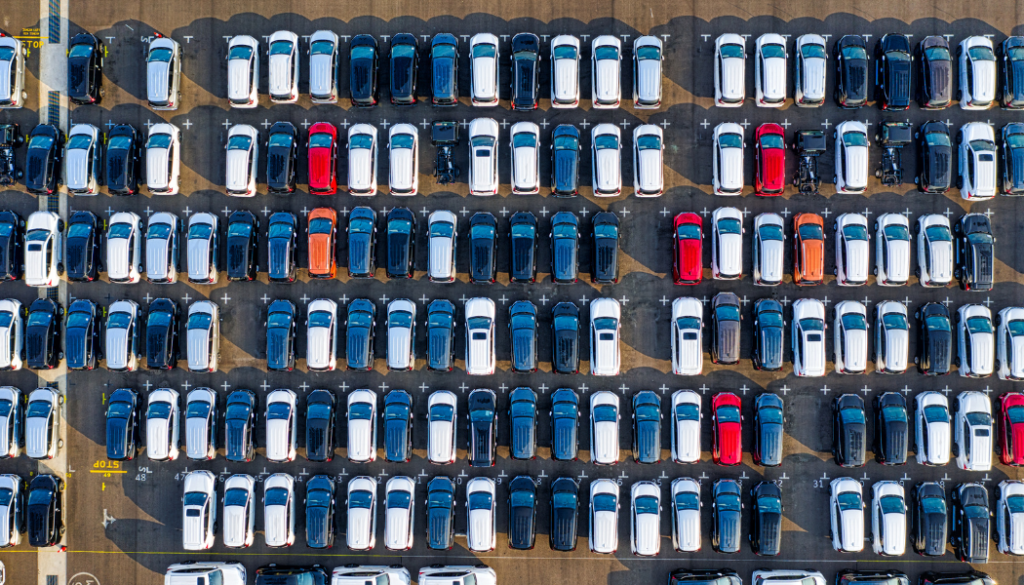

Walking across a dealership lot is essentially walking through an open-air vault. You have millions of dollars tied up in depreciating metal, glass, and microchips, all sitting outside completely exposed to the elements and the general public. A single severe thunderstorm or a moment of carelessness from a customer can wipe out a massive portion of your profit margin before you even open the showroom doors. You cannot put a protective bubble over your inventory, which is exactly why having a rock-solid car dealership insurance policy is the only thing standing between a bad Tuesday and total financial ruin.
When disaster strikes your lot, you need a financial safety net that responds immediately. Here is a breakdown of the most common ways vehicles sustain heavy damage on the lot and exactly how the right coverage steps in to absorb the massive financial blow.
The Unpredictable Wrath of Mother Nature
Weather is arguably the single greatest threat to an open-air inventory. Unlike a retail store that keeps its merchandise safely tucked behind a roof and four solid walls, your primary assets live outside all year round. A sudden hail storm can dent the hoods and shatter the windshields of three hundred cars in under ten minutes. A flash flood can completely submerge your lower lot, destroying engines and frying complex electrical systems beyond repair.
When a massive weather event rolls through, it rarely damages just one single vehicle. It usually takes out an entire row or the whole property. This is where dealers’ open lot coverage becomes a literal business saver. Instead of eating a massive six-figure loss completely out of pocket, this specific policy provision steps in to cover the actual cash value of the damaged inventory. It provides the heavy influx of capital required to repair the dented hoods, replace the shattered glass, or entirely write off the flooded units without bankrupting your operating account.
The Test Drive Disaster
The entire automotive sales model relies on letting complete strangers take your highly expensive inventory out onto public roads. You hand over the keys, slap a dealer plate on the back bumper, and hope the potential buyer actually knows how to merge onto the highway safely. Unfortunately, test drives frequently end in crumpled fenders and deployed airbags. A nervous driver misjudges a tight turn, or another distracted motorist rear-ends your brand-new luxury SUV while it is stopped at a red light.
When a test drive goes horribly wrong, the financial liability gets incredibly complicated fast. If the customer is at fault, their personal auto policy might not have high enough limits to cover the total loss of an eighty-thousand-dollar truck. Your commercial garage policy acts as the ultimate financial backstop. It covers the physical damage to your specific vehicle, ensuring you can pull it into the body shop and get it back on the front line. Furthermore, it protects your business from third-party liability claims if the customer injures someone else while driving a car you legally own.
The Midnight Vandalism and Theft Epidemic
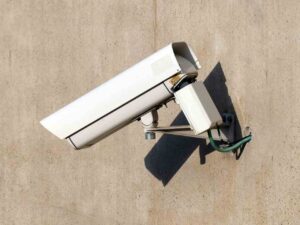
Dealerships are massive, highly visible targets for organized crime. Even with tall perimeter fences, bright security lights, and overnight security guards, determined thieves find a way onto the asphalt. The modern trend of cutting catalytic converters out from underneath trucks can leave dozens of your best vehicles completely inoperable by morning. Beyond organized theft, random acts of vandalism are a constant, highly frustrating headache. Disgruntled individuals key the sides of sports cars, smash windows to steal infotainment screens, or slash expensive tires simply for the thrill of it.
You cannot sell a car with a massive scratch down the driver’s side door, and replacing twenty catalytic converters out of your own pocket destroys your monthly revenue. Comprehensive coverage built into your commercial policy specifically targets these exact criminal acts. It absorbs the massive cost of replacing stolen engine parts, buffing out malicious scratches, and replacing shattered glass. This allows your service department to get the inventory back into sellable condition immediately without draining the company’s checkbook.
The Internal Lot Mishap
Not all damage comes from external threats or dramatic weather events. A significant amount of inventory destruction happens internally, usually at five miles per hour. Your lot porters are constantly shuffling cars around to make room for new transport deliveries, organizing the front line, and pulling dirty vehicles back to the wash bay. When you pack hundreds of cars tightly together on a small lot, simple human error is entirely inevitable. A porter backs a sedan into a concrete light pole, a delivery driver scrapes the side of a minivan while unloading it from a steep trailer, or a mechanic accidentally drops a heavy metal tool directly on the hood of a customer’s car.
These minor, internal accidents happen constantly, and the repair bills add up aggressively over the course of a fiscal year. Garagekeepers’ liability coverage specifically protects you when your own employees damage a vehicle. Whether they accidentally back two pieces of your own inventory into each other, or they scrape the bumper of a vehicle a customer dropped off for a routine oil change, this coverage handles the body shop invoice. It prevents those daily operational mistakes from eating directly into your bottom line.
Purchase Car Dealership Insurance
Managing a massive vehicle inventory is an exercise in extreme risk management. Your product is fragile, expensive, and constantly exposed to both nature and human unpredictability. You cannot prevent a freak hail storm, and you cannot guarantee a customer will not hit a guardrail during a Saturday afternoon test drive. What you can control is your financial response to the damage. By relying on a comprehensive, industry-specific insurance package, you transfer that massive financial risk away from your own bank account. You ensure that when the inevitable damage does happen, your dealership has the immediate capital to recover, repair the fleet, and keep selling cars.

About Author