The Invisible Foundation: How Industrial Sewing Supplies Shape a Clothing Brand’s Reputation
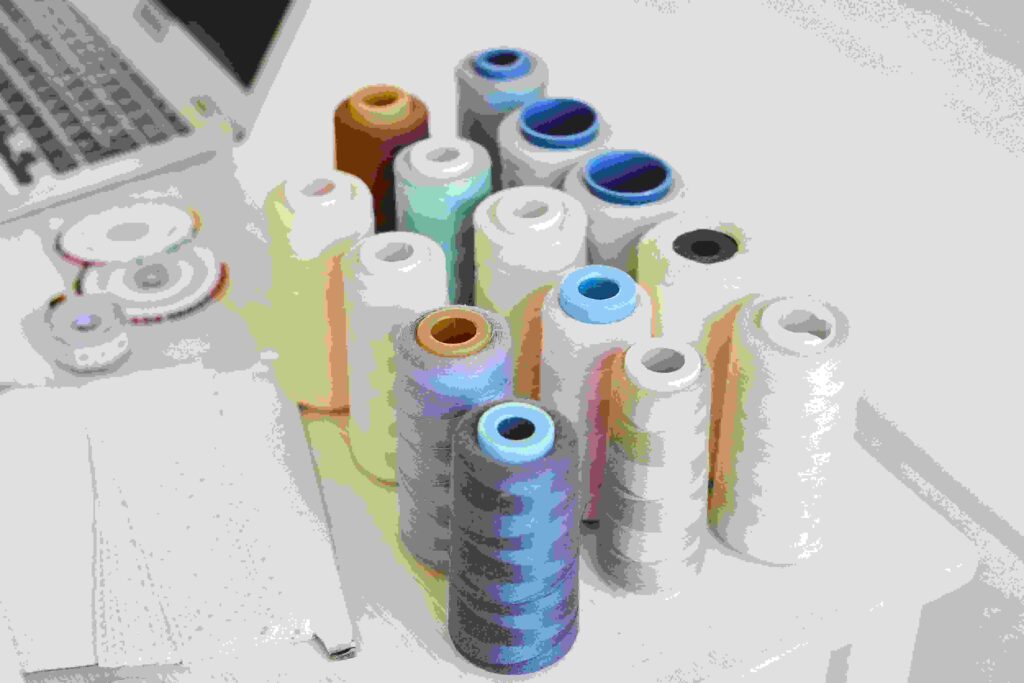

Starting a clothing brand involves endless decisions. Designers obsess over fabric choices, color palettes, and seasonal trends. However, many emerging labels overlook the structural components holding everything together. You can source the most beautiful silk or durable denim on the market, but if the threads snap or the zippers break after three wears, your customers won’t return. The components you use on the manufacturing floor dictate your brand’s longevity and public perception just as much as your creative vision.
That’s exactly why partnering with a reliable supplier for industrial sewing supplies is a non-negotiable step for any serious fashion house. The thread, elastic, hardware, and fasteners you choose might seem like small details, but they carry the weight of your entire product line. When a consumer buys a jacket or a pair of jeans, they expect it to last. If it doesn’t, they will voice their complaints online, and your brand’s image will suffer. Let’s explore exactly how prioritizing high-quality manufacturing supplies directly impacts how the world views your clothing brand.
Durability Builds Lifelong Customer Loyalty
When you sell a garment, you make a silent promise to the buyer that it will withstand normal wear and tear. If a customer splurges on a high-end canvas tote bag or a winter coat, they expect the seams to stay intact. Using subpar threads or cheap hardware almost guarantees a premature product failure. A seam that bursts or a zipper that gets stuck ruins the user experience entirely.
Customers rarely blame the manufacturing process when a piece of clothing falls apart. They blame your brand name. On the flip side, when your products endure years of washing and wearing, you build intense customer loyalty. They tell their friends, leave positive reviews, and repeatedly buy from your new collections. High-quality nylon or bonded polyester threads ensure that your garments hold up under pressure. By investing in the right materials from the start, you protect your customers from frustrating wardrobe malfunctions and protect your brand from negative word-of-mouth.
The Subtle Impact on Aesthetics
While durability remains crucial, aesthetics play an equally important role in fashion. The visual appeal of a garment goes far beyond the primary fabric. Topstitching, buttonholes, and embroidered logos require specific thread types to look clean and professional. If a manufacturer uses inferior thread, it often results in skipped stitches, uneven tension, or fraying along the seams. These minor defects make a garment look cheap, even if the primary fabric costs a premium.
Consistency also plays a major role. If you produce a line of navy blue trousers, the thread color needs to match perfectly across the entire production run. Premium supply companies offer reliable color matching and high colorfastness. This means the thread won’t fade or bleed onto the fabric during the first wash. When a shopper inspects a piece of clothing on a retail rack, they notice the small details. Clean, uniform stitching signals that your brand cares about craftsmanship, which instantly elevates the perceived value of your items.
Keeping Production Running Smoothly
Your brand’s reputation isn’t only judged by consumers; it’s also judged by your retail partners and distributors. Meeting delivery deadlines plays a vital part in maintaining a professional image. If you promise a boutique that their fall collection will arrive by September, you can’t afford manufacturing delays.
Cheap supplies often wreak havoc on the production floor. Low-quality thread breaks frequently at high speeds, causing machine jams and forcing workers to constantly rethread their needles. This downtime slows down the entire assembly line and increases labor costs. Inferior hardware like faulty buckles or flimsy hook-and-loop fasteners often leads to rejected batches during quality control inspections. By utilizing top-tier supplies designed specifically for commercial machines, you ensure a smoother, faster production process. Your factory stays on schedule, your retail partners receive their orders on time, and your brand earns a reputation for reliability.
Supporting Specialized Product Lines
Many modern apparel brands find success by leaning into specialized niche markets. Activewear, outdoor gear, and protective clothing require distinct manufacturing approaches. If you’re designing hiking pants, the seams need to stretch without snapping. If you’re producing marine upholstery or outdoor awnings under your brand umbrella, the stitching must withstand intense sunlight and saltwater.
You can’t achieve these specific results with standard, run-of-the-mill materials, and that is where advanced supplies come into play. Utilizing UV-resistant threads, water-repellent zippers, and high-strength bonded materials allows you to create specialized products that actually perform well in the real world. When your brand delivers on its promises, you establish yourself as an authority in that specific niche. Consumers trust brands that use the right tools for the job.
A Foundation for Sustainable Practices
Today’s consumers care deeply about sustainability and ethical manufacturing. Fast fashion has created an environmental crisis, and many shoppers actively turn away from brands that produce disposable clothing. By building garments meant to last, you automatically align your brand with the slow fashion movement.
When you use industrial-grade materials that extend the life cycle of your clothing, you reduce the amount of textile waste ending up in landfills. While you might not use recycled fabrics for every item, focusing on longevity remains a highly respected sustainable practice. You can proudly tell your audience that your clothing’s built to endure, which resonates strongly with eco-conscious buyers.
A Fashion-Forward Reputation
Running a successful apparel company requires more than just a great eye for design. It demands a commitment to quality at every single stage of the manufacturing process. The structural components of your garments act as the unsung heroes of your product line. They hold the fabric together, ensure a premium finish, and keep your production lines moving without a hitch.
When you choose to cut corners on the basics, you jeopardize everything you’ve built. A broken zipper or a frayed seam might cost a few cents to replace, but the damage it does to your brand’s reputation is often irreversible. By sourcing the right components, you invest directly in your brand’s future. You create beautiful, resilient products that your customers’ll wear with pride for years to come.

About Author