Has Fauci’s Career Come Back To Haunt Him?
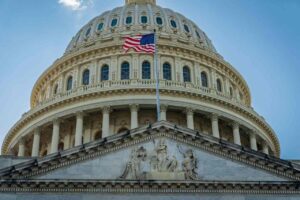
The White House from Washington, DC, Public domain, via Wikimedia Commons

INTERVIEW ON THE PRICE OF BUSINESS SHOW, MEDIA PARTNER OF THIS SITE.
Recently Kevin Price, Host of the nationally syndicated Price of Business Show, interviewed Phil Magness.

On a recent Price of Business, Host Kevin Price visited with Dr. Phil Magness of the Independent Institute.
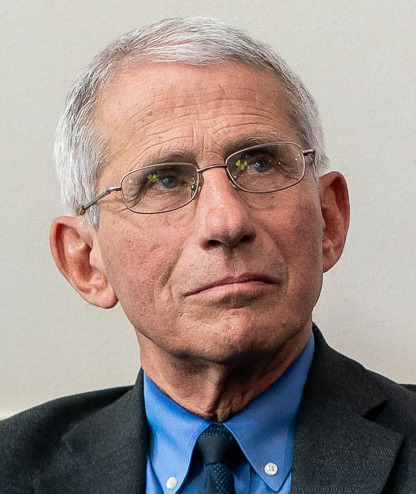
Price and Dr. Magness discuss the controversial career of Dr. Anthony Fauci. For decades, Fauci was revered as the nation’s top infectious disease official, but his five-decade career continues to draw intense scrutiny over a recurring pattern: alarmist early statements followed by a reluctance to own his missteps.
This dynamic first emerged in 1983 during the early years of the HIV/AIDS epidemic, when Fauci publicly speculated that routine household contact might transmit the virus—a claim that fueled widespread public panic before being disproved. While pivoting as new evidence emerges is a natural part of the scientific process, critics argue that Fauci rarely takes clear personal responsibility for early errors. Instead, he frequently blamed media misinterpretation or scientific uncertainty, establishing a precedent of deflecting accountability.
Decades later, during the COVID-19 pandemic, similar patterns reemerged through conflicting statements on masking, lockdowns, and virus transmission. Today, as congressional panels scrutinize his agency’s oversight, transparency failures, and controversial gain-of-function research grants, the debate remains unresolved. For supporters, he navigated chaotic health crises with evolving data. For detractors, his legacy remains defined by bureaucratic overreach and a steadfast refusal to acknowledge his own faulty calls.
Check out more national news stories here.
Explore more insights at https://thedailyblaze.com/.

About Author