Summer Camp Survival Guide: What to Pack (and Check) Before and After
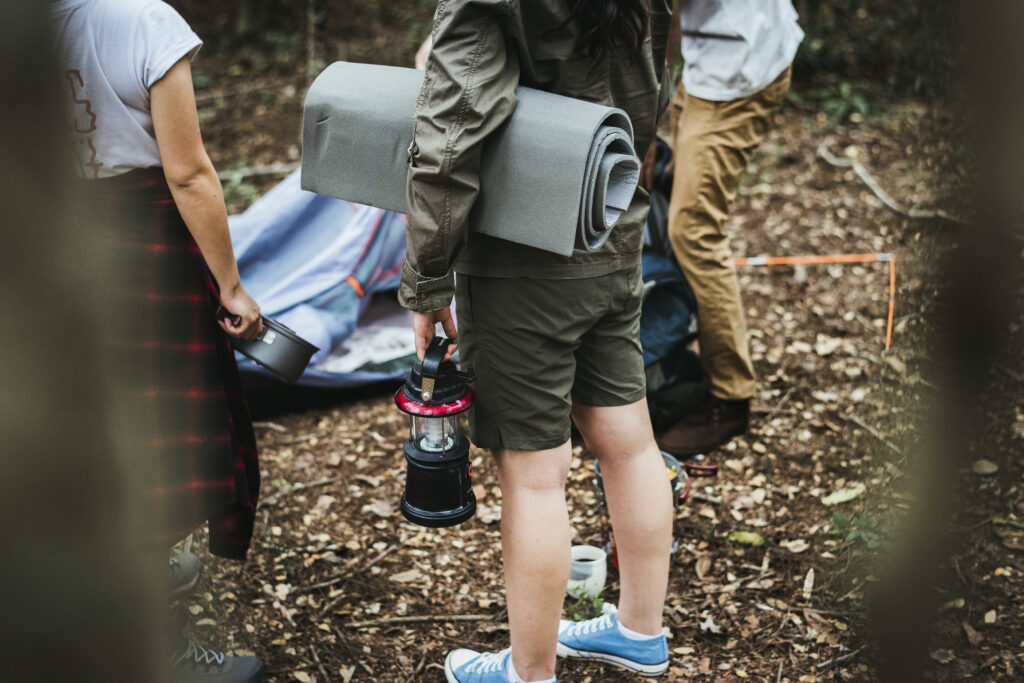

The trunks are dragged out of the attic. You have labeled every single pair of socks with a permanent marker. You have bought enough sunscreen to coat a small elephant. Summer camp season is here, and for kids, it’s the highlight of the year—freedom, bonfires, and friendship bracelets.
For parents, it’s a mix of relief and logistical anxiety. You worry about homesickness, ticks, and whether they will remember to brush their teeth. But there is one specific anxiety that tends to fly under the radar until it is too late: the inevitable camp lice outbreak.
Camp is the perfect storm for head lice. You have hundreds of kids living in close quarters, sharing bunks, swapping hats, and leaning heads together for selfies. It is not a matter of if lice are at camp, but who will catch them.
The goal isn’t to wrap your child in bubble wrap. The goal is preparation. By adding a few strategic items to your packing list and having a plan in place for a professional lice treatment before you even drop them off, you can ensure that the only thing they bring home is a tie-dyed t-shirt—not a colony of bugs.
Here is your survival guide for the summer season, covering what to pack, what to say, and how to handle the re-entry process when they return.
Phase 1: The Pre-Camp Defense
You can’t control what happens in the cabin, but you can control what goes into the trunk. A few smart additions can lower the risk profile significantly.
- The Up-Do Supplies: Lice do not jump, and they do not fly. They crawl. They need direct hair-to-hair contact to move from one host to another. The most effective defense is simply keeping hair contained.
- For Long Hair: Pack an abundance of heavy-duty hair ties, bobby pins, and headbands.
- The Strategy: Teach your child the “camp bun.” Braids are good, but buns are better. A tight bun keeps loose strands from swinging into contact with other kids during hugs or games. If they sleep in braids, it also prevents hair from splaying out across a shared pillow.
- Mint and Rosemary Sprays: While the science on essential oils is mixed regarding killing lice, there is anecdotal evidence that the scent of peppermint, rosemary, and tea tree oil can act as a mild deterrent.
- The Pack: Send a bottle of preventative spray (many brands sell these specifically for kids).
- The Routine: Tell your camper to spritz their hair every morning before heading out to activities. Even if the biological effect is minor, the ritual reminds them to be conscious of their personal space.
- Their Own Helmet/Gear: Many camps provide shared equipment for horseback riding, zip-lining, or baseball. This is a prime transmission vector. If the camp allows it, send your child with their own helmet. If that’s too bulky, pack a thin cycling cap or bandana that they can wear under the shared helmet. This creates a physical barrier between the previous wearer’s hair and your child’s scalp.
- The Don’t Share Talk: We spend years teaching our toddlers to share. Now, you need to un-teach it. Sit your camper down and explain that while they should definitely share their snacks and their kindness, they should strictly embargo the following items:
- Hairbrushes and Combs
- Hats and Bandanas
- Towels
- Pillows
Make sure they understand this isn’t about being rude; it’s about hygiene. A polite “No thanks, I’ll use my own” is a valuable life skill.
Phase 2: The Homecoming Protocol
The bus pulls up. Your child runs into your arms, smelling like campfire smoke and bug spray. You are thrilled to see them. Stop. Do not let that trunk go up to their bedroom.
The biggest mistake parents make is dragging the camp gear directly into the house and dumping it on the living room carpet. If there are hitchhikers in that luggage, you just invited them into your sanctuary.
- The Driveway Sorting: Treat the driveway or the garage as your triage center. Open the trunk outside.
- Hard Goods: Tennis rackets, toiletries, and shoes can be wiped down and brought inside.
- Soft Goods: Clothes, towels, and sleeping bags go directly into a heavy-duty trash bag. Do not pass go. Do not collect $200.
- The High-Heat Laundry Cycle: Lice cannot survive high temperatures. Take that trash bag directly to the washing machine. Dump the contents in (carefully) and wash on the hottest water setting available. More importantly, dry on high heat for at least 40 minutes. The dryer is your best friend here. The sustained heat will dehydrate and kill any lice or nits hiding in the bedding or towels.
- The Sunshine Inspection: Before your child showers, do a thorough head check. Natural sunlight is actually the best lighting for this. Have them sit on a chair in the driveway or on the patio.
- What to look for: You aren’t just looking for crawling bugs (which are fast and hide from light). You are looking for nits (eggs).
- The Difference: Dandruff flakes off easily. Nits are glued to the hair shaft about a quarter-inch from the scalp. If you try to flick it and it doesn’t move, it’s a nit.
- Hot Zones: Check behind the ears and at the nape of the neck. These are the warmest spots on the head and preferred nesting grounds.
Phase 3: What If You Find Them?
First, breathe. Finding lice after camp is almost a rite of passage. It does not mean your child is dirty, and it does not mean you failed as a parent. It just means your child had a very social summer.
Don’t Panic-Buy Chemicals: Your instinct will be to run to the pharmacy and buy the strongest-looking box on the shelf. Pause. Most over-the-counter treatments rely on pesticides that lice have developed immunity to over the last 20 years. Using these is often frustrating and ineffective, leading to weeks of combing and recurring outbreaks.
The One-and-Done Solution: If you find evidence of lice, the most efficient path is professional help. Specialized clinics use heated air technology to dehydrate lice and eggs in a single treatment. It is chemical-free and, most importantly, it is fast. You can have the problem solved in an hour, rather than battling it for a month.
Be Prepared
Summer camp helps children build independence. Dealing with the aftermath of camp helps parents build resilience. By packing smart—focusing on hair containment and barriers—and having a strict quarantine routine when they return, you can minimize the risk. And if a few unwanted guests do manage to hitch a ride home? You know exactly how to handle it. Wash the sleeping bag, hug your kid, and listen to their stories. The memories are worth the trouble—even the itchy ones.

About Author