Surviving the Elements: How to Choose the Right Fabric for Your Patio Cushions
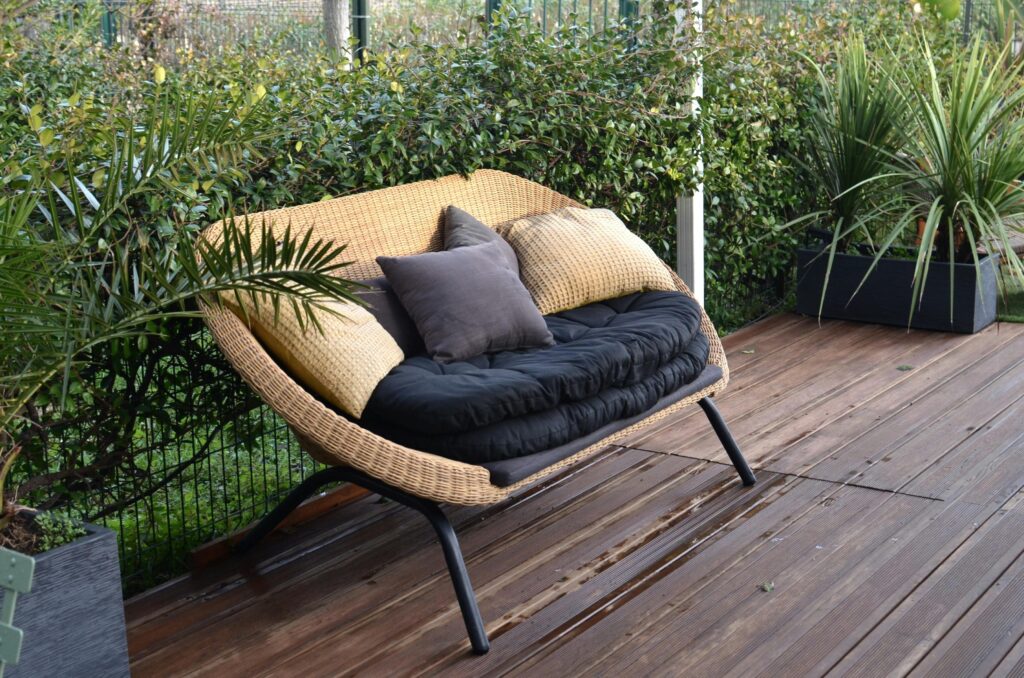

We all know the heartbreak of a ruined patio setup. You spend a weekend getting the deck ready and arranging your new seating, and by August, those vibrant navy blue cushions look like a dusty, faded purple. Then a heavy rainstorm rolls through, and they turn into heavy, soggy sponges that smell like a wet dog for the rest of the month.
If you are tired of replacing your backyard setup every single season, the secret is not buying better furniture; the secret is sourcing the right outdoor fabric from the start. Choosing the proper material for your cushions is the only way to beat the blazing sun, the driving rain, and the inevitable barbecue spills. The textiles you use outside operate under an entirely different set of rules than the upholstery in your living room.
If you are ready to upgrade your seating and want it to actually last, here is exactly what you need to look for before you buy a single yard of material.
The Sun Problem and the Radish Analogy
The sun destroys textiles faster than almost anything else in nature. Ultraviolet rays physically break down the chemical bonds in dyes. If you buy a cheap printed polyester, the color just sits on the top layer of the thread. Think of it like a radish: red on the outside, white on the inside. As soon as the sun bakes that top layer, the color vanishes, leaving you with a bleached-out mess.
What you actually want is solution-dyed acrylic. In this manufacturing process, the color pigment is mixed into the liquid polymer before the yarn is even extruded. It is like a carrot: orange all the way through. Even if the surface wears down or gets blasted by UV rays for three straight summers, the color remains identical. It costs a bit more upfront to buy solution-dyed materials, but it prevents your patio from looking abandoned and weathered by mid-July.
The Water Trap: Resistant Over Proof
People often walk into a supply store asking for something completely waterproof to protect their foam inserts. For a cushion, waterproof is usually a terrible idea. If a material is 100 percent impervious to water, it is also impervious to air.
Cushions have sewn seams, and zippers have tiny gaps. Heavy rainwater will eventually find its way inside the foam core, no matter what you do. If the cover is completely waterproof, the moisture cannot evaporate. Instead, it sits inside and stews in the summer heat, creating a massive mold problem hidden just beneath the surface. You want a material that is highly water-resistant so light rain beads up and rolls off the surface, but breathable enough that any trapped humidity can easily escape through the weave.
Fighting the Fungus
Speaking of mold, outdoor textiles need to be inherently hostile to fungal growth. Synthetic fibers like acrylic and high-grade polyester are essentially plastic, meaning mold cannot use the actual fiber itself as a food source, the way it would with natural cotton.
However, dirt, tree pollen, and spilled drinks will settle into the weave of your cushions over time. Mold will happily eat the organic dirt sitting on top of the material. When shopping, look for textiles treated with specific antimicrobial finishes. These chemical shields stop spores from taking root, making it incredibly easy to just brush off the dry dirt with a stiff broom before it becomes a biological science project.
Surviving the Traffic with Abrasion Resistance
Patio furniture takes a severe physical beating. People sit down with rough denim jeans with metal rivets, dogs jump up with unclipped nails, and kids drag their shoes across the seats. If the weave is too loose or the yarn is too weak, the fabric will pill, snag, or tear open.
In the textile industry, physical durability is measured in double rubs. A mechanical testing machine rubs a piece of heavy canvas back and forth over the material until it shows visible wear. For standard residential patio cushions, you want a material rated for at least 15,000 double rubs. If your backyard is the neighborhood hangout spot or you have multiple large dogs that treat the outdoor sofa like a trampoline, look for heavy-duty commercial options hitting the 30,000 mark.
The Barbecue Spill Reality
Outdoor living is messy by design. A hot dog drops mustard on the seat, a glass of red wine tips over during an evening party, or a bird leaves a present right in the middle of your favorite lounge chair. Sticky tree sap and greasy spray-on sunscreen are also notorious for ruining seating areas. The material you choose has to be forgiving enough to handle the mess.
This is another reason solution-dyed acrylics are so popular among professionals. Because the color is baked right into the chemical structure of the yarn, many of these textiles are actually bleach-cleanable. You can literally mix a mild solution of water and bleach to scrub out a stubborn bird dropping or mildew stain without worrying about leaving a giant white bleach spot on your dark green cushion. Always check the manufacturer’s cleaning codes before you make a purchase, but leaning toward easy-clean synthetics will save you hours of frustrating scrubbing.
Recover Patio Cushions
Redoing your patio cushions is an investment of your time and money, but doing it correctly means you only have to do it once a decade instead of every spring. Stop settling for the cheap, seasonal throwaways that end up in a landfill by October. By paying attention to the dye process, the breathability, and the physical rub count, you can build a backyard oasis that actually survives the elements.

About Author