The Invisible Foundation: Why Skipping Geotextile Fabric Will Destroy Your Gabion Wall
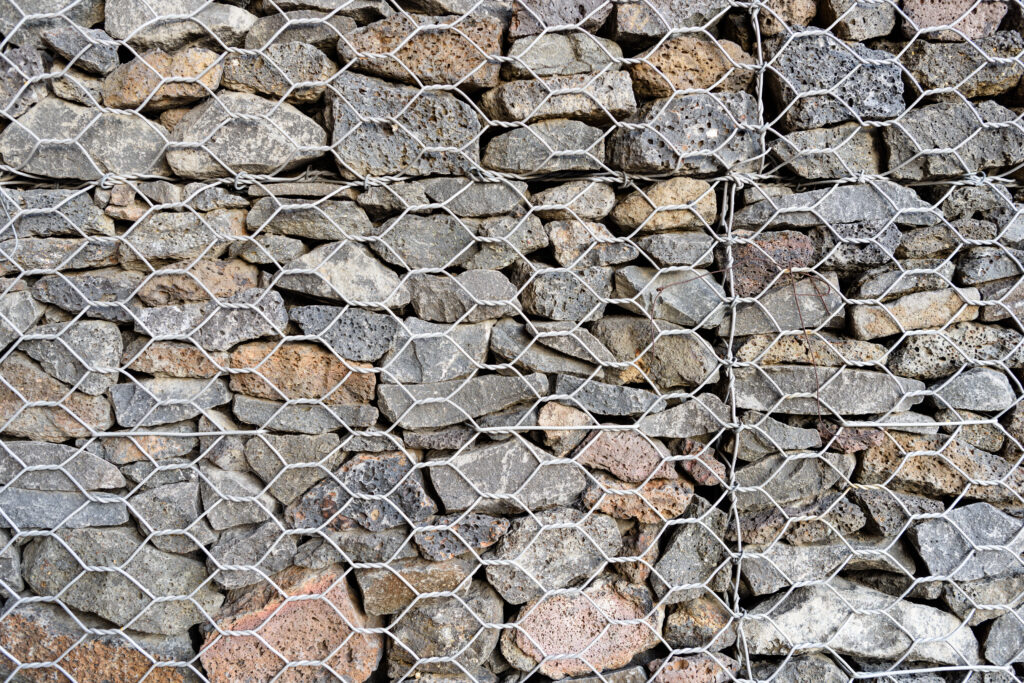

You just spent an entire weekend sweating in the yard, carefully stacking heavy river rock into galvanized steel wire baskets. The new retaining wall looks incredibly sharp, industrial, and structurally flawless. But if you buried the back of those gabions directly against the raw dirt of your hillside without a protective barrier, you did not just build a retaining wall. You built a massive, temporary mud trap.
The absolute worst mistake you can make when dealing with heavy hardscaping is assuming that the rocks and the wire are the only things doing the work. They provide the mass, but they do not control the environment. If you want a wall that survives the next decade of heavy spring thunderstorms without collapsing, you have to control the soil behind it.
Here is a brutal, realistic look at exactly why skipping the invisible layer of filter fabric will physically and aesthetically destroy your new retaining wall.
1. The Physics of a Hillside Washout
The entire structural advantage of a stone-filled basket is permeability. When heavy rain saturates the soil behind your wall, the water needs a place to go. Solid concrete walls crack and buckle under this trapped water weight, but stone baskets let the water flow harmlessly right through the face of the structure, relieving the pressure.
However, water never travels alone. As water moves through the saturated soil toward your wall, it acts as a conveyor belt, carrying thousands of tiny silt, sand, and clay particles with it. If there is absolutely nothing separating the raw dirt of your excavated hillside from your clean rocks, that muddy slurry flows directly into the empty voids between your stones.
2. The Sinkhole and the Blowout
When migrating soil invades your clean stone, two catastrophic structural failures happen almost simultaneously.
First, you lose your vital drainage plumbing. The empty spaces between your rocks are there for a reason. When mud completely fills those voids and bakes solid in the summer sun, your wall is no longer permeable. It acts just like a solid, unyielding concrete dam. The next time a heavy rainstorm hits, the water gets trapped directly behind the wall. This builds immense hydrostatic pressure until the wire mesh finally bulges outward or the entire heavy structure tips forward into your yard.
Second, you create a dangerous backyard sinkhole. Matter cannot be created or destroyed. If tons of dirt are washing out of your hillside and filling up your rock baskets, that dirt is leaving a massive, empty void behind the wall. Within a few short months, the ground directly above your retaining wall will cave in, destroying your upper lawn, undermining your patio, or sinking whatever structure you were trying to support in the first place.
3. The Coffee Filter Solution
The only proven way to stop this muddy chain reaction is to install a heavy-duty, non-woven geotextile filter fabric between the earth and the wire baskets.
Think of this fabric exactly like a giant commercial coffee filter. When you brew coffee, the paper filter holds the solid grounds back but allows the liquid coffee to pass through effortlessly. Geotextile fabric does the exact same thing for your hillside.
You line the excavated dirt trench with the fabric before you push the empty wire baskets into place. Once the baskets are filled with rock and you are ready to backfill the dirt, you pull the fabric up tight against the back of the wire mesh. Now, when the rainwater rushes down the hill, the fabric catches and holds all of the soil firmly in place, but lets the clean water pass seamlessly through the rocks and out of your yard.
4. The Ugly Aesthetic Reality
Aside from the looming threat of structural collapse, skipping the filter layer completely ruins the visual appeal of your expensive landscaping project.
You likely spent a premium to get beautiful, clean river rock or specialized crushed limestone to fill your baskets. You want that clean, industrial, architectural look. If you skip the barrier, the very first heavy rainstorm will push liquid mud straight through the back of the baskets and out the front face.
Your pristine white or gray rocks will be permanently stained with brown clay and dried silt. You cannot just wash this off with a garden hose; the dirt is baked onto the stones deep inside the wire grid, where the water pressure of a hose cannot reach. You spent thousands of dollars to build an architectural feature, and within one month, it just looks like a massive pile of dirty rubble.
5. Stop Buying Cheap Landscape Plastic
A critical mistake ambitious builders make is driving to a big box hardware store and buying a cheap, thin plastic weed barrier to use behind their heavy structural walls.
Thin landscaping plastic is designed to stop weeds in a surface flower bed. It is absolutely not designed to withstand the crushing weight of a saturated, shifting hillside. It will tear the second a sharp rock or a heavy root presses against it, rendering your entire filter system completely useless. You must use commercial-grade, non-woven geotextile fabric designed specifically for deep drainage and earth retention. It feels more like thick industrial felt than thin plastic, and it is engineered to stretch slightly without puncturing under extreme earth pressure.
Protect Your Gabion Wall
Building a heavy stone retaining wall is brutal, exhausting physical labor, and nobody wants to do it twice because they skipped a fifty-dollar roll of fabric. The rocks and the thick steel wire give your wall its massive weight and strength, but the invisible layer of fabric hidden behind the stones gives the wall its actual lifespan. Stop cutting corners on the foundation. Roll out the heavy fabric, separate the soil from the stone, and build a structure that will actually outlast the house it sits next to.

About Author