Finding Peace in Tragedy: Why Cremation is a Compassionate Choice for Severe Loss

When a family loses a loved one, the emotional toll is often overwhelming. The grieving process becomes even more complicated when the death is sudden, traumatic, or results in a situation where the body isn’t whole or is severely damaged. Whether due to a tragic accident, a severe illness, or extreme circumstances, planning a traditional open-casket funeral in these situations can create unnecessary emotional trauma for the family.
In these incredibly difficult moments, cremation provides a dignified, peaceful, and practical alternative. It removes the stress of extensive restorative work and allows the family to focus entirely on honoring the spirit and memory of the person they lost. Let’s explore why this option is often the best choice for families dealing with a traumatic loss and how it provides a gentler path forward.
Bypassing the Trauma of Extensive Restoration
When a body is badly damaged, traditional burial typically requires an embalmer to perform extensive restorative art. This process attempts to reconstruct the person’s features using wax, specialized cosmetics, and even prosthetics so they can be viewed in a casket. While embalmers are highly skilled professionals, the results are rarely perfect. The person lying in the casket often looks remarkably different from how the family remembers them in life.
Seeing a loved one in this altered, artificial state can be deeply unsettling for the family. Instead of finding closure, mourners are often left with a lasting, traumatic final image of their loved one that overshadows their happy memories. Choosing an alternative disposition method avoids this entirely. It eliminates the need for invasive reconstruction and ensures that the family’s final memories of their loved one remain intact, just as they were in life.
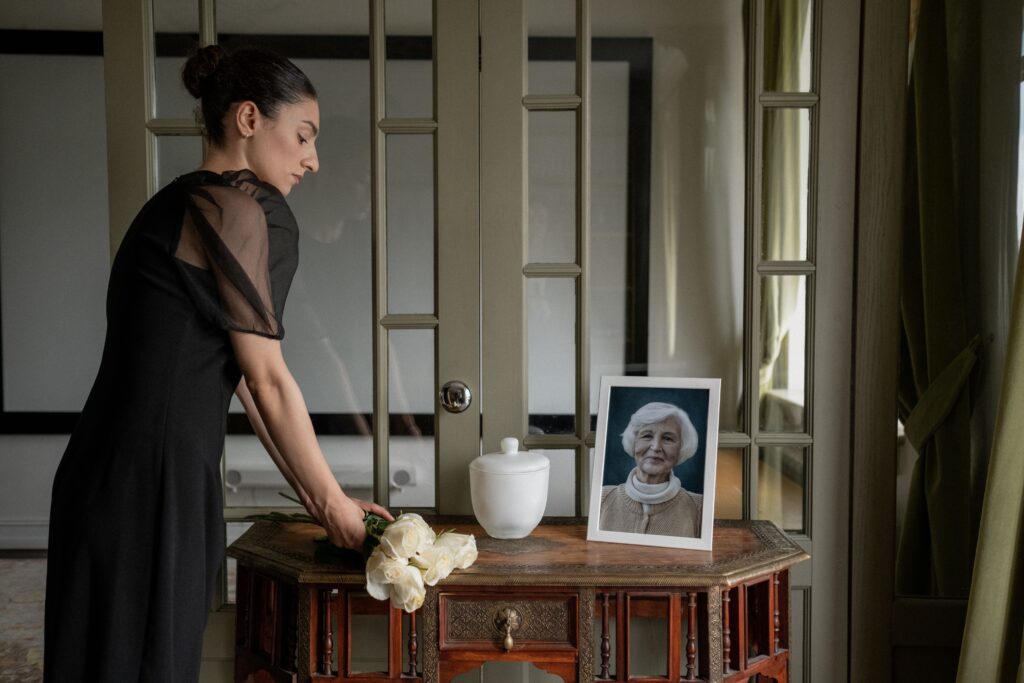
Sometimes, families opt for a closed casket when the damage is too severe. While this solves the problem of an upsetting viewing, it often leaves mourners feeling disconnected. Staring at a closed wooden box can feel incredibly final but also impersonal. It creates a physical barrier between the living and the deceased. By choosing a different path, you avoid this stark, often cold experience. Instead of an imposing casket, the family can display a beautiful urn alongside photographs, cherished mementos, and vibrant flowers, creating a much warmer and more inviting focal point for the service.
Regaining Control in an Uncontrollable Situation
Traumatic deaths are usually sudden and leave families feeling completely out of control. One moment, everything is normal, and the next, they’re thrust into a chaotic situation involving hospitals, authorities, and sudden grief. Traditional funerals operate on a very tight timeline; families are pressured to make dozens of expensive, complex decisions within a matter of days.
Opting for direct cremation immediately stops the clock. It handles the physical reality of death quickly and respectfully, giving the family the gift of time. Without the pressure of a ticking clock, the family can step back, breathe, and begin processing the shock of the trauma. They regain control of the situation and can plan a memorial service on their own terms, whether that’s two weeks or two months later.
During a traumatic loss, families are often dealing with external investigations, medical billing, or sudden legal hurdles, depending on the nature of the accident. Trying to organize a formal funeral in the middle of that whirlwind is exhausting. Delaying the service by a few weeks allows the dust to settle. It ensures that when the family finally gathers to say goodbye, they aren’t distracted by logistical nightmares. They can actually be present in the moment and support one another properly.
Focusing on the Spirit, Not the Physical State
When a person suffers a traumatic death, the physical condition of the body often becomes the focal point of the tragedy. Medical reports, police investigations, and accident details force the family to constantly think about the physical damage their loved one endured. A traditional burial can inadvertently extend this focus on the physical body.
Reducing the physical form to ashes shifts the focus away from the physical state and redirects it toward the person’s spirit and legacy. It’s a transformative process that many families find profoundly comforting. By moving past the physical reality, the family isn’t tied to the trauma of the accident. Instead, they can focus entirely on celebrating the vibrant life the person lived, their unique personality, and the impact they had on the world.
Creating a More Meaningful Memorial
Because traumatic deaths are so chaotic, standard funeral home services can sometimes feel disconnected from the reality of what the family’s experiencing. By separating the disposition of the body from the memorial service, families open the door to incredibly personalized tributes.
Without the logistical constraints of transporting a casket to a cemetery, a family can hold a memorial service anywhere. They can gather at the deceased’s favorite beach, host a celebration of life in a beautiful park, or have an intimate gathering in a family home. They can share stories, play their loved one’s favorite music, and lean on each other for support in an environment that feels safe and comfortable. This flexibility is essential for healing, as it allows the family to create a service that genuinely reflects the joy the person brought into their lives.
Flexible Options for Final Disposition
When a body isn’t whole, deciding on a final resting place in a traditional cemetery can feel distressing for some families. Receiving ashes offers numerous, flexible ways to handle the remains, providing deep comfort during a difficult time.
Families can choose to keep the urn in their home, ensuring their loved one’s always close by. They can divide the ashes among multiple family members using smaller keepsake urns, which is particularly helpful if the family’s spread across the country. Others find solace in scattering the ashes in a location that held special meaning to the deceased, such as a favorite hiking trail or a family cabin. This act of returning the person to nature often provides a profound sense of closure that a traditional burial simply can’t match.
A Path Toward Healing
Losing someone to a traumatic event is one of the hardest things a family will ever endure. The days and weeks following the death are filled with confusion, pain, and exhaustion. In these moments, simplicity is a true gift. By choosing a disposition method that avoids restorative trauma and arbitrary deadlines, families give themselves the space they need to breathe. It provides a dignified exit for the deceased and offers the living a peaceful, manageable path forward as they begin the long journey of healing.

About Author