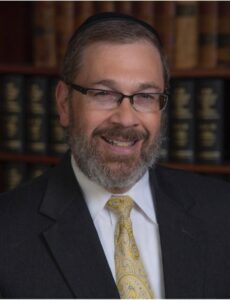
On a recent Price of Business segment, Host Kevin Price interviewed legal expert David C. Japha of Levin Jacobson Japha, P.C. (ljjlaw.com). Japha, an experienced attorney specializing in complex white-collar litigation, explored whether perceived impunity among high-profile figures encourages business owners to push legal boundaries.
The discussion highlighted key dynamics of white-collar crime:
Perceived Deterrence: White-collar crime is calculated rather than impulsive. Deterrence relies on the perceived likelihood of being caught. Inconsistent enforcement shifts the mindset from “I cannot do that” to “How far can I go?”
Equal Application of Law: Prosecutorial discretion is essential, but public trust breaks down when enforcement appears dependent on identity rather than actions. Conversely, unpopular political conduct should not be weaponized into criminal offenses.
Risks for Business: “Everyone does it” is zero defense in court. Aggressive strategies cross into criminal territory when accompanied by deception, concealment, false recordkeeping, or backdating documents.
Japha emphasized that the cover-up frequently creates far greater legal exposure than the initial conduct. Rather than crime suddenly becoming acceptable, the true danger lies in individuals gradually convincing themselves that rules are flexible when elites escape accountability. Business owners should navigate decisions using a simple standard: Would I be comfortable explaining this conduct truthfully to a judge or jury with all documents present?
Over his more than three decades of practice, David Japha has earned a reputation for resolving difficult and complex matters, sometimes being the second or third lawyer to take on a case. David has tried many criminal and civil cases to conclusion and argued numerous appeals, post-conviction cases and cases involving mental health issues. He also currently represents clients in federal and state administrative matters, including ongoing matters before the Consumer Products Safety Commission. David got his start in litigation before leaving the University of Denver College of Law, where he tried his first DUI case in state court through a program called the student law office. He also negotiated settlements and argued his first administrative appeal before the Social Security Administration in the winter of 1984, before his law school graduation in May of that year. Soon after starting out, David shared office space with his current partners, Don Jacobson and Daniel Levin at Ptarmigan Place. There he learned law office management hanging out his shingle and doing evictions, collections and court-appointed federal criminal cases. And, it was there, in federal court, that David truly cut his teeth in criminal defense litigation, culminating in his appointment to the Criminal Justice Act committee (which oversaw the appointment of conflict counsel in federal court) by then-Chief Judge Richard Matsch. Over 30 years of practice has given David the opportunity to be involved in some amazing cases, including taking depositions in Katmandu, Nepal in a complex criminal case in 1991; representing a witness in the trial of Timothy McVeigh (where David was also a credentialed reporter for the Intermountain Jewish News); handling criminal matters in Nebraska, Kansas and California and appearing in Washington State. David has been an expert witness for the Colorado Supreme Court Office of Regulation Counsel in the area of attorney fees for court appointed counsel.
The news team of The Daily Blaze guest writers, and our contributors, which includes award winning journalists, continuously update this site with the best in writing.
No articles on this site should be construed as the opinion of The Daily Blaze or PriceofBusiness.com. Do your homework, get expert advice before following the advice on this or any other site.