Beyond the Metal: Why Challenge Coins Actually Hold Their Value for Decades
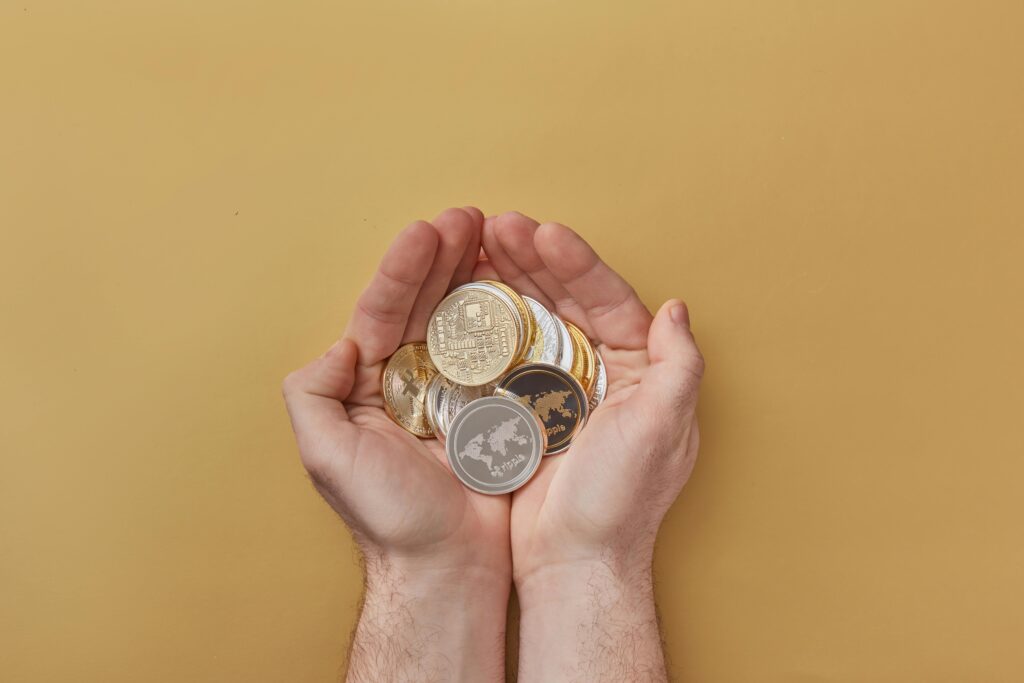

If you clean out an old desk drawer or dig through a retired veteran’s shadow box, you will likely find a heavy, brightly enameled piece of metal sitting front and center. It is not legal tender, it is not made of solid gold, and it cannot buy a cup of coffee. Yet, if you ask the person who owns it how much they would sell it for, the answer is almost always a flat refusal.
We live in a culture of disposable goods. We throw away old smartphones after two years, and corporate awards usually end up in a cardboard box in the attic. So, how does a simple brass medallion manage to defy that trend?
If you want to understand why custom challenge coins never end up in a garage sale bargain bin, you have to stop looking at them like standard currency. Their worth is rarely tied to the spot price of the metal they are stamped on. Instead, their value appreciates over time through a highly specific combination of exclusivity, historical context, and undeniable physical permanence.
Here is a hard look at exactly how and why these coins hold their value for generations, long after the event they commemorate has passed.
1. The Power of Strict Exclusivity
In the world of collectibles, mass production destroys value. If anyone can walk into a retail store and buy an item off the shelf, it is inherently worthless.
Challenge coins derive their initial value from the fact that they are fiercely gatekept. You cannot buy a legitimate Navy SEAL Team Six coin at a strip mall. You cannot purchase a Secret Service presidential detail coin online. You have to be standing in the room, shaking the hand of the commander, and physically earning the right to carry it.
Even in the corporate or civilian world, these coins are minted in incredibly small, limited batches—usually runs of 50, 100, or 250 units. Once that specific event, deployment, or company milestone is over, the mold is often retired. That strict, built-in scarcity means that every passing year makes the surviving coins increasingly rare.
2. The Currency of Shared Hardship
Financial value is one thing, but emotional gravity is what actually keeps an item out of the trash can. When a military unit deploys to a combat zone or a fire department survives a brutal, record-breaking wildfire season, the coin minted for that specific group becomes a physical anchor to that shared hardship. It is tangible proof that the individual was there, in the mud, doing the work alongside their peers.
A cheap plastic trophy breaks, and a paper certificate fades in the sun, but a heavy metal coin gets passed down. It becomes a generational storytelling device. A grandson holding a coin from his grandfather’s infantry unit isn’t holding a piece of brass; he is holding his family’s history. That emotional weight makes the item functionally priceless to the people who inherit it.
3. The Booming Secondary Collector’s Market
While emotional value is subjective, there is a very real, highly lucrative secondary market where challenge coins are actively bought, sold, and traded for cold, hard cash.
Collectors aggressively hunt for coins that have historical significance or extreme operational secrecy. If you possess a coin from a highly classified intelligence agency (like the CIA or NSA), a specific Special Forces deployment, or a coin personally handed out by a sitting U.S. President, the financial value on the secondary market can easily jump from a $5 initial minting cost to hundreds or even thousands of dollars.
In this market, the value is driven entirely by provenance. A coin’s worth skyrockets if it has a documented history or a known origin story, effectively turning a small piece of zinc into a highly sought-after historical artifact.
4. They Physically Refuse to Degrade
A massive part of why these items hold value over the decades is purely physical. They are over-engineered.
Paper rots. Plastic cracks and discolors. Fabric patches fray and fall apart. But a challenge coin is die-struck from solid brass, copper, or zinc alloy. It is heavy, dense, and practically indestructible. If you drop it on concrete, it doesn’t shatter; it just gets a tiny scratch that adds to its character.
Over the years, the metal actually improves in appearance. The oils from human hands and the natural oxidation process give the metal a rich, dark patina. This natural weathering process only authenticates the age of the coin, making an antique finish look even more distinguished fifty years down the line than it did on the day it was minted.
Value the Challenge Coin
We place value on things that are hard to get and impossible to destroy. A challenge coin perfectly threads that needle. It is a physical manifestation of a specific moment in time, heavily gatekept by the people who earned it, and forged out of materials designed to outlive the person carrying it. Whether it is resting on a CEO’s desk, locked in a collector’s display case, or sitting in a veteran’s pocket, a well-made coin doesn’t just hold its value over the years—it actively builds it.

About Author