Moving Beyond the Dry Van: Why Chemical Freight Requires a Specialized Approach
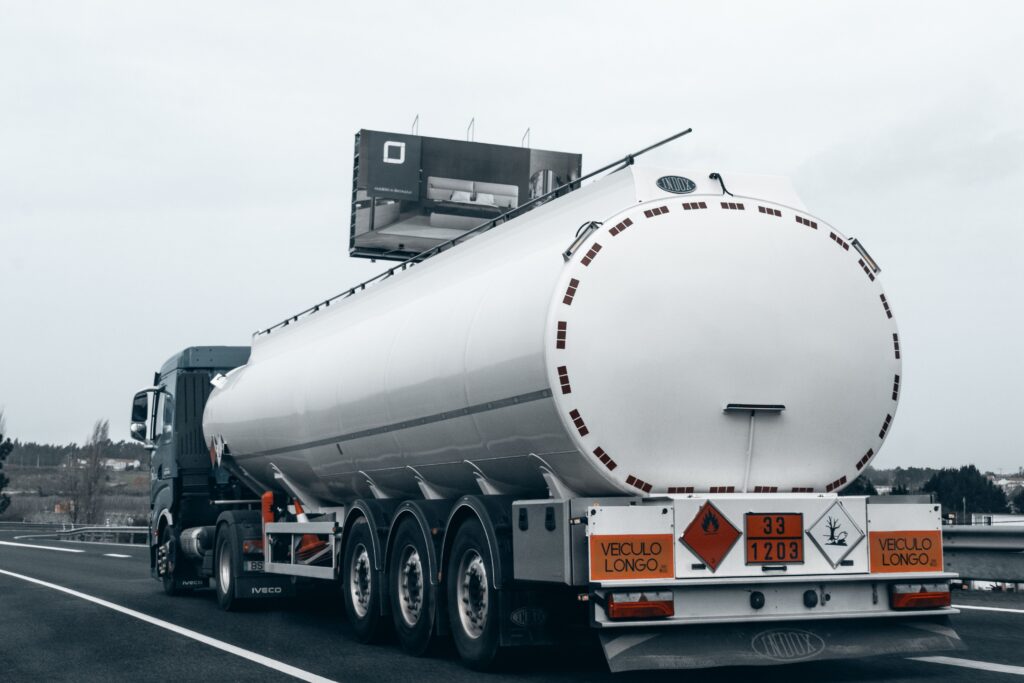

If you’ve ever watched a standard semi-truck pull up to a loading dock, the process looks incredibly straightforward. A forklift zips in and out of a dry van, loading pallets of retail goods, electronics, or non-perishable foods. Within an hour, the doors swing shut, and the driver hits the highway. Traditional freight operates on speed and volume, treating most cargo as simple boxes that just need to get from point A to point B.
However, the moment you transition into bulk chemical transportation, that entire playbook gets thrown out the window. You can’t just toss liquid raw materials or hazardous compounds into the back of a standard trailer and hope for the best. Moving chemicals safely demands an entirely different operational mindset. Every single load introduces unique handling protocols, specific equipment requirements, and strict environmental safeguards. The margin for error shrinks to zero. A simple mistake that might just cause a scuffed box in standard shipping can result in an environmental incident or a safety hazard when dealing with sensitive liquids. Let’s look at why transporting these products requires such a drastically different approach compared to regular freight.
Specialized Equipment Over Standard Trailers
When a logistics manager books a traditional freight shipment, their main concern usually involves finding an empty rectangular box on wheels. Standard dry vans are essentially interchangeable. Chemical transport, on the other hand, requires a highly customized fleet.
Liquid bulk shipments travel in specialized tanker trucks engineered to handle specific properties. For instance, a common stainless steel tanker might carry one type of solvent perfectly safely, but if a manufacturer needs to ship corrosive acids, they need a trailer with a specific rubber or fiberglass lining. Using the wrong tank can literally eat away at the equipment.
The specialization doesn’t stop at the tank itself. The tools used to transfer the product must match the cargo exactly. The pumps, hoses, and valves all have to be rated for the specific compound being moved to prevent leaks and ensure safe transfer. Many substances are highly temperature-sensitive. If a load of resin gets too cold during transit, it can solidify inside the tank, ruining the product and the equipment. Transporting these materials often requires in-transit heating systems, specialized insulation, and precise temperature monitoring that standard freight simply doesn’t need.
The Danger of Cross-Contamination
In the regular freight world, preparing a trailer for a new load usually involves a quick sweep with a broom. If a truck carries pallets of paper towels on Monday and cases of bottled water on Tuesday, nobody worries about residue.
Chemical logistics operates under incredibly strict cleanliness rules because of the risk of cross-contamination. Before a tanker can pick up a new load, the carrier must verify the prior cargo. If the previous shipment is incompatible with the new one, simply flushing the tank with water isn’t enough. The trailer must undergo a certified, professional tank wash.
Facilities that wash chemical tankers follow rigid procedures, using specific cleaning agents, high-pressure systems, and steam to remove every microscopic trace of the previous product. If a carrier skips this step, the lingering residue could react dangerously with the new shipment, causing spoiled product, dangerous fumes, or even an explosion. The rigorous vetting of prior cargo and certified cleaning procedures adds a layer of operational complexity that standard dry freight companies never have to think about.
Loading and Unloading Vulnerabilities
Loading a dry van is remarkably safe. Workers use pallet jacks or forklifts, and the biggest risk usually involves a dropped box. In contrast, loading and unloading represent the most vulnerable parts of a chemical shipment.
Transferring thousands of gallons of liquid requires connecting pressurized hoses and operating specialized valves. If a connection fails or pressure builds up incorrectly, the resulting spill can expose workers to toxic fumes or corrosive liquids. Because of this, the people handling the transfer need specific, rigorous training. They aren’t just forklift operators; they must understand the exact physical properties of the substance they’re handling.
Shippers and receivers also have to install secondary containment systems around their loading zones. These raised walls or specialized drainage areas ensure that if a hose does leak or a valve fails, the liquid stays completely contained rather than flowing into the local environment. Safety protocols dictate that emergency response kits, spill containment gear, and specific protective clothing must be on hand before anyone even touches a valve.
Strict Segregation and Regulatory Compliance
If a traditional trucking company decides to mix a pallet of clothing with a pallet of auto parts in the same trailer, it makes perfect sense for efficiency. They just want to fill the available space.
With chemicals, placing the wrong products next to each other creates a severe hazard. Flammable liquids must stay far away from oxidizers. Acids can’t travel near bases or reactive metals. Mixing incompatible materials during transit is a primary cause of fires and toxic releases.
Because of these inherent risks, the federal regulations surrounding chemical freight are intensely strict. Drivers must carry specialized hazardous materials endorsements on their commercial licenses, which require background checks and extra testing. The documentation traveling with the load goes far beyond a simple bill of lading. It includes detailed safety data sheets, precise hazard classifications, specific packing group identification, and emergency response instructions. Everything must be perfectly labeled and placarded on the outside of the truck so first responders know exactly what they’re dealing with in the event of an accident.
A Culture of Precaution
At the end of the day, transporting chemicals successfully requires a culture of safety that permeates every single step of the journey. While standard shipping focuses mostly on getting goods delivered as quickly and cheaply as possible, chemical logistics prioritizes precision, compliance, and risk management. From selecting the perfect stainless steel tank to verifying the prior cargo and matching the right driver with the right endorsements, the process demands specialized expertise. When companies treat their freight with the respect and detailed attention it deserves, they protect their workers, the environment, and their bottom line.

About Author