The Ultimate Guide to Storm Damage Restoration: Why Tarping in an Emergency Is a Good Idea
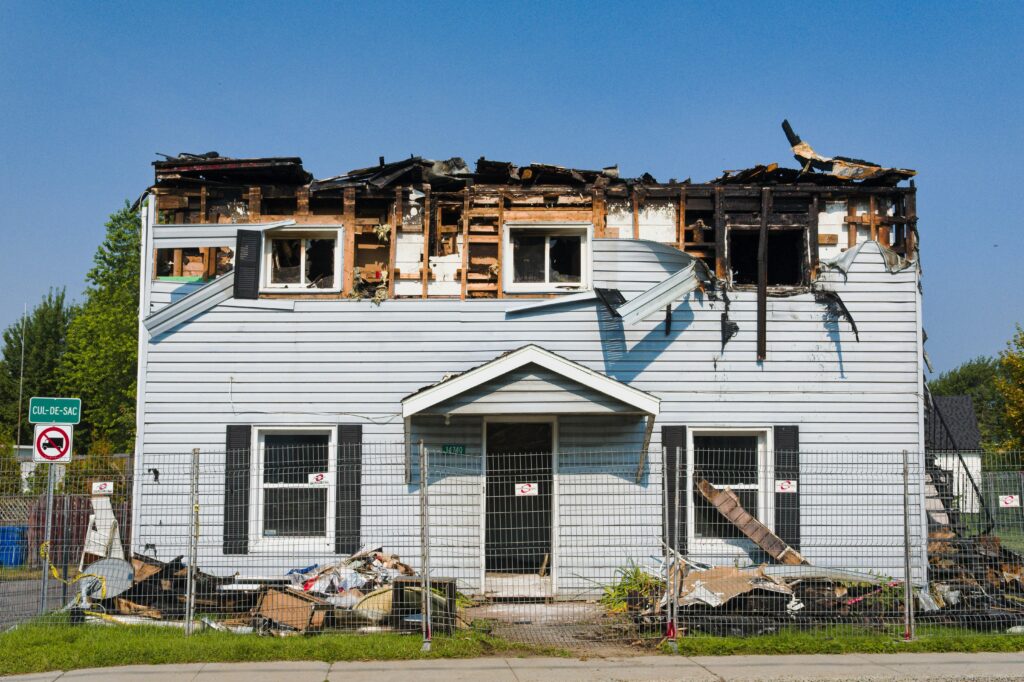

Your roof is the most effective barrier when a harsh climatic incident strikes. But when that barrier is knocked down by falling branches or fast winds, time begins to run. Professional Storm Damage Restoration to many of the homeowners in the USA is not the process of making a permanent repair, but rather of providing a high-quality tarp.
The reason why Emergency Tarping is Non-Negotiable
An open roof is asking to be ruined. Emergency tarping is one of those bandages that can be used to ensure the inside of the house is not exposed to the elements until you finalize the logistics of insurance and construction.
Secondary Water Damage Prevention
The first storm can end, but the destruction can increase several times in hours. A light drizzle can cause even without having a tarp:
Rot in Structure: Leakage of water in wooden rafters and ceiling of the ceiling undermines the structural integrity of your house.
Insulation Ruin: Wet cellulose or fiberglass insulation loses its insulation value and turns into a heavy and wet mess.
Electrical Hazards: Water across the wiring will lead to short circuiting or even fire hazards.
The Looming Threat of Mold
Mold spores grow well in dark and wet conditions and will start growing within 24-48 hours of touch with water. When you notice a black spot on your ceiling, it might already be inside your drywall, deep already. The best method to keep the services in the dry-in category as opposed to a massive mold eradication project is to ensure that the area is tarped immediately to ensure that a routine repair does not become a huge mold clean-up operation.
The Storm Damage Restoration Process
The most important gap between the disaster and the recovery is emergency tarping. It gives you the breathing space to record the level of losses and get just and fair evaluation by your insurance adjuster.
Professional vs. DIY Tarping
Although it is all too easy to scale the ladder using blue tarp purchased at the hardware store, it is safer and more effective when used professionally.
Pros use:
Heavy-Duty Tarping: This is industrialized and resists the rays of the sun and wind.
Furring Strips: Slats of wood nailed on top of the tarp to make it not blow away.
Proper Overlap: The tarp must be covered over the top of the roof and not have the water running under it.
Summary
The most financially prudent decision a homeowner can make in the aftermath of weather is to secure his home. In the case of a leaky roof or any structural holes, then call the professionals at Flood Pros USA to help you. Let a leak become a complete loss–Contact Flood Pros USA to have your Storm Damage Restoration process begin today with a professional check up.
Media Contact
Website: https://www.floodprosusa.com/
Phone: (407) 815-5663
Address: 3001 Aloma Ave. Suite #302
Winter Park, FL 32792
→ Our best content lives on the homepage — don’t miss it.

About Author