Building a Culture of Care Keeping Outdoor Crews Safe Through Positive Reinforcement
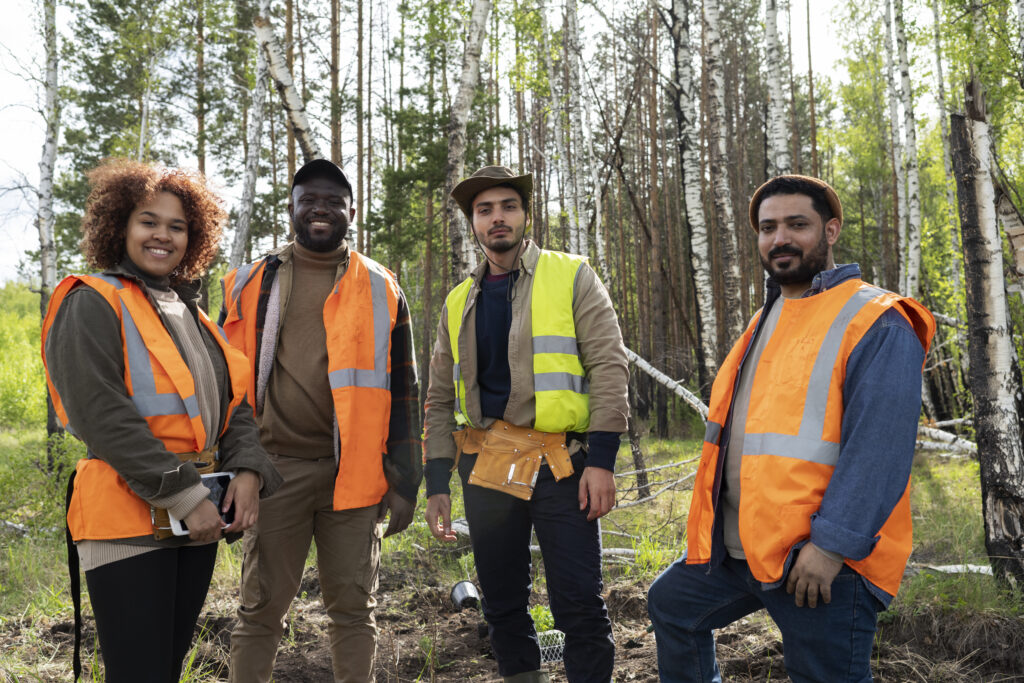

Working outside is physically exhausting and inherently dangerous. Whether your team is laying asphalt on a busy highway, scaling utility poles in a severe storm, or managing massive commercial landscaping projects, the outdoor environment is completely unpredictable. You cannot control the sudden drops in temperature, the blistering afternoon sun, or the muddy, uneven terrain caused by a fresh rainstorm. Because the physical hazards are constantly shifting, relying solely on a dusty safety manual sitting in the glovebox of a work truck is a recipe for disaster.
Historically, companies have tried to enforce job site safety through strict penalties and immediate reprimands. If someone forgets their safety glasses, they get a written warning. While rules are necessary, managing entirely through fear creates a tense, uncommunicative work environment. A significantly smarter, highly effective approach relies on positive reinforcement.
By utilizing structured employee rewards, you can fundamentally shift how your field crews view daily safety protocols. Instead of treating safety as an annoying administrative chore, you turn it into a highly engaging, rewarding part of their daily routine. Here is exactly how incentivizing good behavior keeps your outdoor workforce fully protected.
Boosting Proactive Hazard Reporting
When workers are stationed in the field, environmental conditions change by the minute. A perfectly secure trench in the morning might become dangerously unstable after an afternoon downpour. You desperately want your team to speak up the second they notice these shifting hazards. The underlying problem is that many workers stay completely quiet because they do not want to slow down the production schedule or deal with tedious incident paperwork.
By offering tangible incentives for reporting near misses or pointing out potential environmental dangers, you completely flip that narrative. When workers know they will be explicitly recognized and rewarded for finding a hazard, they become highly alert. They actively scan the job site for broken hand tools, exposed temporary wiring, or slippery walkways. This proactive approach stops accidents long before they happen, keeping your outdoor crews entirely out of the emergency room and keeping the job site running smoothly.
Driving Consistent Equipment Compliance
PPE is absolutely non-negotiable on any outdoor job site. However, wearing a heavy hard hat, thick steel-toed boots, and a reflective long-sleeve shirt in the middle of a brutal August heatwave is deeply uncomfortable. Similarly, wearing thick, insulated gloves during a freezing winter shift severely limits hand dexterity. Human nature often tempts workers to shed a heavy layer or leave their protective glasses in the truck just to get some temporary physical relief. Punishing them with write-ups often just breeds deep resentment.
Instead, incentivize perfect compliance. Create a system where site managers hand out spot rewards when they catch someone wearing all their required gear correctly. When a crew realizes that proper equipment usage directly leads to extra paid time off, premium company apparel, or high-quality tools, the resistance fades entirely. Wearing the hot, heavy gear simply becomes an accepted, celebrated part of hitting the next major milestone.
Managing Extreme Weather and Hydration
The sun is arguably the biggest daily threat to anyone working outside during the summer months. Heat exhaustion and heat stroke can sneak up on a busy crew incredibly fast, leading to severe physical collapse. Keeping everyone adequately hydrated and forcing them to take shade breaks is a massive logistical challenge for site foremen. The same applies to winter crews battling the early signs of dangerous frostbite.
You can build highly specific incentive programs entirely around severe weather safety. Reward entire crews for successfully hitting hydration goals or strictly adhering to mandatory rest schedules during extreme temperature spikes. You can also heavily incentivize the buddy system, where workers are recognized for correctly identifying the early signs of heat stress or extreme fatigue in their coworkers. Making weather safety a team-based goal ensures nobody tries to tough it out and push past their physical limits just to finish a task early.
Encouraging Peer-to-Peer Recognition
True job site safety cannot just be a top-down initiative dictated by management sitting in a comfortable, air-conditioned office. The most secure outdoor job sites are the ones where peers actively look out for each other on the ground level. You want an environment where a brand new hire feels completely comfortable telling a seasoned veteran to clip into their safety harness.
Implementing a peer-to-peer recognition system allows your field workers to formally nominate each other for working safely. If someone steps in to help a teammate safely back up a heavy dump truck or stops a colleague from using a defective power saw, they should be publicly acknowledged by their peers. Giving your team the power to distribute small rewards to their fellow crew members builds immense trust and camaraderie. It creates a tightly knit culture where everyone is genuinely invested in sending their coworkers home safely at the end of every single shift.
Maintaining Long-Term Engagement
A highly common mistake companies make is launching a massive safety program in January and completely forgetting about it by the time March rolls around. Outdoor work is a massive daily grind, and safety fatigue sets in very quickly. To keep accident rates permanently low, the motivation has to be consistent year-round.
Refresh your incentive catalog frequently to keep the team deeply interested in the program. Offer rewards that actually make their outdoor lives easier and more comfortable, like high-end insulated water bottles, premium polarized sunglasses, or heavy-duty heated jackets for the brutal winter months. When the prizes directly improve their daily comfort on the job site, overall program engagement skyrockets.
Sending your crews out into the harsh elements always carries an inherent level of risk. You cannot control a sudden afternoon thunderstorm or magically lower the summer humidity. However, you can absolutely control how your team reacts to those environmental challenges. Moving away from fear-based compliance and moving toward a system of positive reinforcement changes the entire dynamic of the job site. Recognizing smart choices and actively celebrating safe habits ensures your outdoor workers stay sharp, vigilant, and fully protected every single day they clock in.

About Author