Beat the Heat: How Summer Temperatures Affect Your Car’s Oil
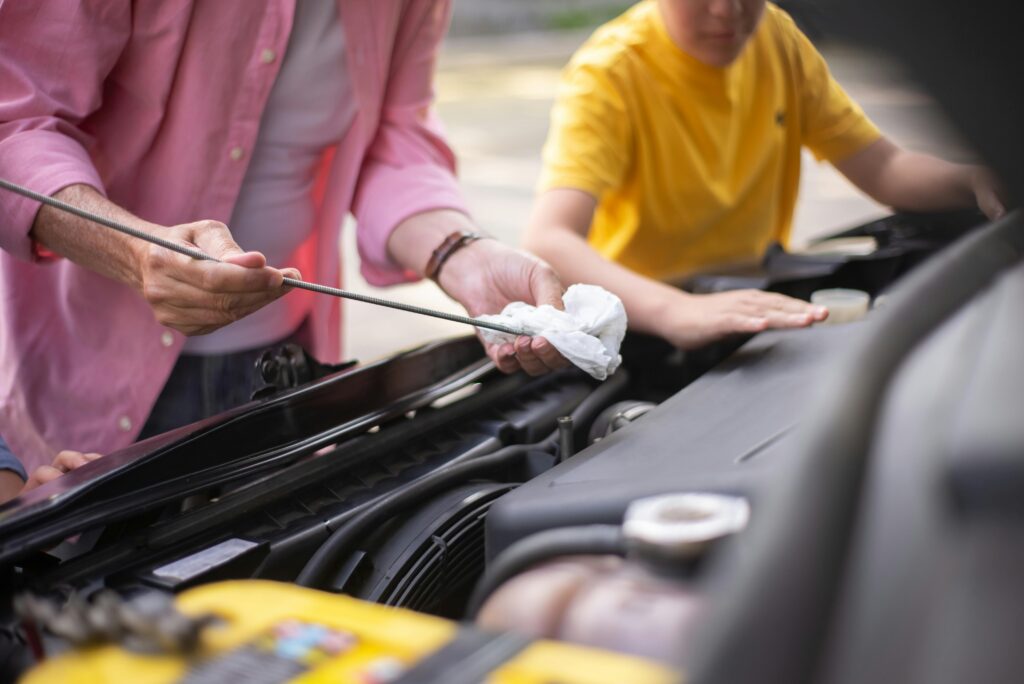

Summer is finally here, bringing exciting road trips, long beach days, and, unfortunately, scorching afternoon temperatures. While you’re turning up the air conditioning to stay comfortable in the cabin, your car’s engine is working overtime to manage the intense heat building up under the hood. Many drivers remember to check their engine coolant or test their tire pressure before a long drive, but they often overlook the essential lifeblood of their vehicle.
The soaring outside temperatures have a direct, significant impact on the lubricants keeping your engine running smoothly. High heat changes the physical properties of these vital fluids, making it much harder for them to do their job. To protect your engine during the hottest months of the year, many mechanics highly recommend upgrading to synthetic motor oil, which is specifically engineered to handle extreme driving conditions. Let’s break down exactly what the summer sun does to your engine and how you can prevent heat-related damage.
The Basics of Viscosity and the Thinning Effect
Heat fundamentally alters how liquids flow. In the automotive world, this flow rate is known as viscosity. When temperatures drop during the freezing winter months, liquids naturally thicken up. Conversely, when the summer sun beats down on the asphalt and the thermometer spikes into the nineties, liquids thin out considerably.
Your engine relies on a specific thickness to coat its moving parts properly and provide a protective cushion. If the lubricant gets too hot, it becomes as watery as iced tea. When it loses its intended thickness, it drains away from the critical engine components it is supposed to protect, leaving bare metal exposed to the elements.
The Threat of Metal-on-Metal Wear
Once that protective liquid barrier thins out, your engine is in serious trouble. An internal combustion engine consists of dozens of fast-moving metal parts operating in incredibly tight spaces at high speeds. Without a sturdy film of lubricant keeping them apart, those metal parts start rubbing directly against each other.
This rubbing generates even more intense internal heat, creating a dangerous, compounding cycle that can quickly warp engine cylinders, damage bearings, or ruin piston rings. Over time, this intense wear and tear degrades the overall lifespan of your engine. It often leads to expensive, complicated repairs that could have easily been avoided with proper seasonal maintenance.
Thermal Breakdown and Sludge Formation
Thinning isn’t the only problem you face during a heatwave. Extreme summer heat actually destroys the chemical structure of standard lubricants in a destructive process called thermal breakdown. When temperatures cross a certain threshold inside the engine block, the fluid begins to oxidize and literally cook.
As it cooks, it leaves behind a sticky, tar-like substance known as sludge. Engine sludge is a mechanic’s worst nightmare. It clumps together and clogs the narrow passages that transport fluid throughout the engine, effectively starving vital components of the lubrication they desperately need. A severely sludged engine will sputter, lose acceleration power, and eventually fail if left untreated.
The Laboratory Advantage
Not all engine fluids react to heat the same way. Conventional options, which are refined directly from crude oil, are highly susceptible to thermal breakdown because their molecular structure is wildly inconsistent. Some molecules are large, while others are small, making the overall fluid less stable under intense pressure.
Laboratory-engineered alternatives are a completely different story. They are built from the ground up with uniform molecules that resist boiling off or thinning out when the engine gets excessively hot. Because they maintain their optimal thickness even on a blistering August afternoon, they provide a much stronger, more reliable defense against internal wear. They also contain advanced additives that actively clean the engine and prevent sludge from forming in the first place.
Proactive Summer Maintenance Steps
You don’t have to be a certified mechanic to keep your car safe this season. Building a few simple habits will go a long way in preserving your engine’s health.
- Check the dipstick regularly: Pull the dipstick at least once a month. The fluid should be amber or light brown. If it looks pitch black or feels gritty between your fingers, it is time for a change.
- Monitor your fluid levels: Engines tend to burn through fluids faster in the summer due to evaporation and harder working conditions. Keep an extra quart in your trunk to top it off if the level dips below the safety line.
- Watch the temperature gauge: Always pay attention to your dashboard. If the needle creeps toward the red zone, pull over safely, turn off the engine, and let the car cool down before proceeding.
- Stick to a professional schedule: Before you pack up the family for a long cross-country road trip, visit a trusted shop for a fresh fluid and filter change to ensure maximum protection.
Enjoying the Open Road
Summer driving should be about creating lasting memories with friends and family, not sitting on the shoulder of the highway waiting for a tow truck. The heat undoubtedly takes a serious toll on every vehicle, but understanding how high temperatures impact your engine’s lubrication is the first step in preventing a costly disaster. By checking your fluid levels regularly, paying close attention to your dashboard gauges, and choosing high-quality products that resist thermal breakdown, you can keep your car running strong all season long. Stay proactive with your maintenance routine, and you’ll enjoy the open road with complete peace of mind.

About Author