The Command Center Mindset: Why One Size Does Not Fit All for Security
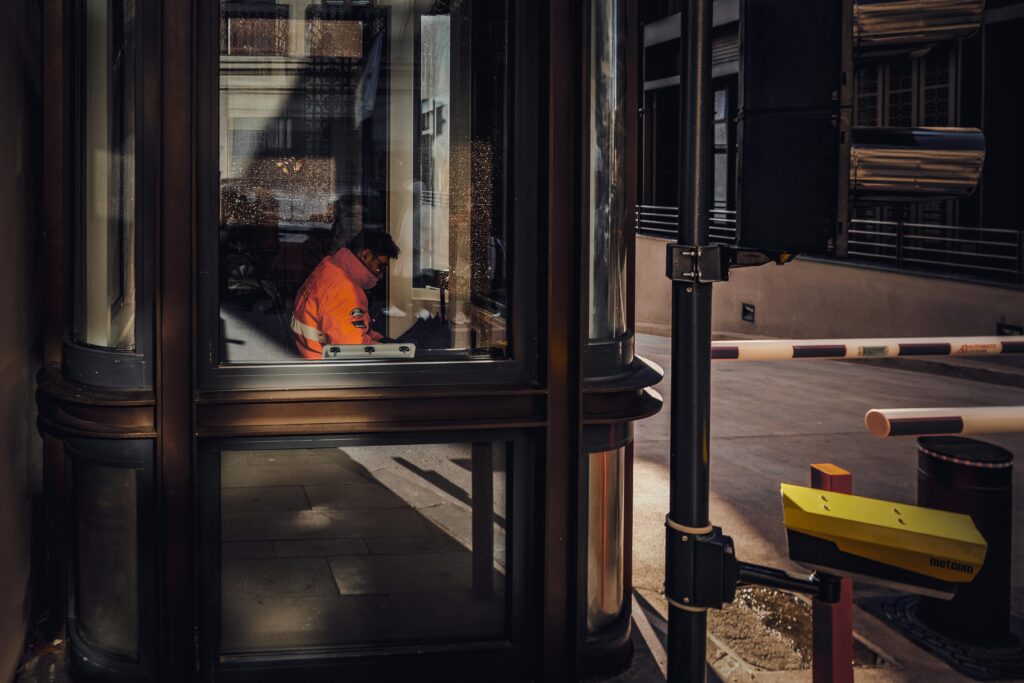

There is a lingering misconception in facility management that a guard shack is just a box. The assumption is that you simply need four walls, a roof, and a window to keep the rain off the person checking IDs. But if you have ever worked a graveyard shift at a gatehouse in February, or tried to manage a busy logistics terminal from a cramped, unventilated shed, you know that “just a box” is a recipe for failure.
Your perimeter is the first line of defense for your business. The structure that houses your security personnel isn’t just a shelter; it is a piece of industrial equipment. It needs to function as a communication hub, a surveillance center, and, in some cases, a literal shield against physical threats.
When you order a prefabricated safety booth, you aren’t buying a generic product off a shelf. You are commissioning a purpose-built workspace. The difference between a booth that hinders your team and one that enhances their performance lies entirely in how you customize it.
From ballistic glass to integrated data centers, here is how savvy facility managers are speccing out their booths to meet the specific, often harsh, demands of their sites.
1. HVAC and Insulation
Let’s start with the most obvious but often overlooked factor: the guard. Security is a job that requires hyper-vigilance. You need your personnel to be alert, observant, and responsive. If a guard is shivering uncontrollably because it is 20 degrees outside and the booth has single-pane windows, their focus is on staying warm, not on the monitors. If they are sweating through their uniform in 95-degree heat, they are battling fatigue and dehydration.
Customizing your booth with a robust, commercial-grade HVAC system (usually a through-wall or roof-mounted unit) is not about “pampering” the staff. It is about operational readiness.
- The Spec: Don’t settle for a residential window unit. Specify an industrial HVAC system capable of maintaining a constant 70 degrees regardless of the ambient temperature.
- The Insulation: Pair this with upgraded insulation in the walls and floor. A customized booth can be built with increased R-values to ensure that the expensive conditioned air stays inside, lowering your long-term energy bills.
2. Ballistic and Blast Resistance
For government facilities, chemical plants, or high-value data centers, the threat profile is different. The booth doesn’t just need to stop the rain; it needs to stop a bullet. Standard tempered glass offers zero protection against a firearm. If your risk assessment suggests a potential for armed intrusion, you need to customize the “skin” of the booth.
- Ballistic Glass: You can spec windows with UL-rated glazing (Levels 1 through 8) that can stop anything from a 9mm handgun to a high-powered rifle.
- Armored Walls: It isn’t just the glass. The walls themselves can be lined with ballistic steel plating or fiberglass composites that catch projectiles. This customization turns a passive observation post into a “hardened” defensive position, giving your security team the precious seconds they need to trigger alarms and lockdown protocols safely.
3. The Tech Integration
In the modern era, a guard doesn’t just write license plate numbers on a clipboard. They are likely monitoring six different CCTV feeds, operating an electronic gate access control system, scanning badges, and logging data into a cloud-based visitor management system.
A standard booth often lacks the electrical infrastructure to handle this load. You end up with extension cords daisy-chained across the floor—a fire hazard and a trip hazard.
- The Fix: Customize the electrical panel. Request dedicated circuits for sensitive electronics to prevent power surges.
- The Data Prep: Have the manufacturer install CAT6 data ports and conduit runs in the walls before the booth is shipped. This allows your IT team to simply “plug and play” their servers and monitors upon delivery, rather than drilling holes in your new steel walls to run cables.
4. Built-In Restrooms
This is a logistical detail that saves thousands of dollars in lost time. If your guard booth is located at the far end of a trucking terminal, and the nearest restroom is in the main warehouse 300 yards away, you have a problem. Every time the guard needs a bio-break, the gate is left unmanned for 15 to 20 minutes. Or, you have to pay for a second rover to cover the break.
Customizing the booth footprint to include a self-contained restroom is the ultimate efficiency hack. These units can be plumbed directly into existing sewer lines or, for remote sites, fitted with incinerating or composting toilets. It keeps the guard at the post, ensures the gate is never vulnerable, and treats your staff with basic dignity.
5. Exterior Aesthetics
Your security booth is the first thing a client, investor, or regulatory inspector sees when they pull up to your facility. A rusted, dented, or generic gray box sends a message of neglect. A sleek, branded structure sends a message of competence.
Prefabricated booths are surprisingly versatile in their appearance.
- The Branding: You can match the exterior paint color to your corporate palette. You can apply vinyl wraps with logos or safety messaging.
- The Architecture: You can customize the roofline. Instead of a flat industrial roof, you can add a standing seam metal hip roof that matches the architecture of your main headquarters. You can add brick veneers or stone accents to the lower half of the booth to make it look like a permanent masonry structure. This “camouflages” the security function, making the entrance feel welcoming rather than intimidating, which is crucial for corporate campuses or luxury residential communities.
6. 360-Degree Sightlines
Standard sheds often have solid corners or limited window placement. This creates blind spots. In a busy logistics yard with forklifts and semi-trucks moving constantly, a blind spot is a liability.
- The Customization: Request “butt-glazed” corners (glass-to-glass joints without a vertical metal frame) or 360-degree window coverage.
- The Lighting: Customize the exterior with high-lumen LED floodlights mounted to the roof overhang. This illuminates the driver’s face as they pull up to the window, allowing the guard to verify identity without stepping out into the dark.
A Capital Asset
A safety booth is a long-term capital asset. It will likely sit at your entrance for 20 years. If you buy the “base model” to save a few dollars today, you will spend the next two decades paying for that decision through higher energy bills, frustrated guards, and expensive retrofits. By customizing the unit upfront—addressing the climate, the tech needs, and the threat levels—you aren’t just buying a booth. You are building a control room that actively contributes to the safety and efficiency of your entire operation.

About Author