Keeping Your Paint Pristine: Common Car Scratches and How to Avoid Them
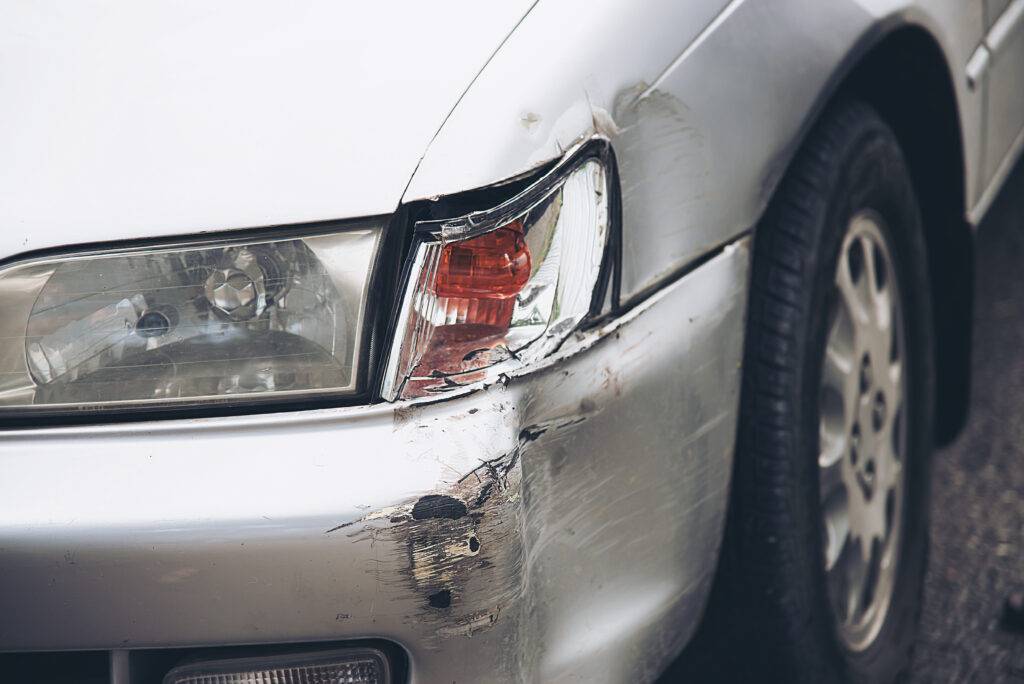

It’s incredibly frustrating to walk out to your driveway and find a fresh scratch on your otherwise perfect paint job. Cars are significant investments, and keeping the exterior pristine is a big part of maintaining that value. Whether it’s a tiny scuff or a deep gouge, damaged paint ruins the overall look of your ride. If a scratch cuts deep enough to expose the bare metal underneath the clear coat, you’re looking at a serious rust risk that requires professional intervention from a reputable auto body shop to restore correctly.
Before you end up needing professional repairs, it’s much easier to protect your exterior by understanding how these marks happen. You’d be surprised at how many common daily activities put your clear coat at risk. Let’s explore the most common culprits behind paint damage and exactly what you can do to avoid them.
The Perils of the Parking Lot
Parking lots are practically obstacle courses for your vehicle. The most common offender is the runaway shopping cart. A sudden gust of wind can send an abandoned cart rolling straight into your passenger door. Then there are the careless drivers and their passengers. When people are in a hurry, they fling their doors open without checking how close they’re parked to you, dinging your paint in the process. Tight spaces only increase this risk.
How to avoid it: The simplest solution is to park further away from the store entrance. Walking a few extra steps keeps your car away from the crowded chaos where accidents happen most often. Also, never park directly next to a cart corral. While it seems convenient, people often miss the corral or leave carts sitting right outside of it, making your car an easy target.
Improper Washing and Drying Techniques
It seems ironic, but the place you go to clean your car is often where it gets damaged. Many automatic drive-through car washes use spinning brushes made of stiff bristles. These brushes slap against your car at high speeds. Worse, they hold onto the dirt and grit from the hundreds of muddy vehicles that went through before you. That trapped dirt acts like sandpaper on your clear coat. Even washing your car at home causes issues if you use an old kitchen sponge or a dirty bath towel.
How to avoid it: Opt for touchless car washes if you’re in a rush, as they only use pressurized water and soap. The safest method is washing your car by hand at home. Use a clean microfiber wash mitt and employ the two-bucket method. Fill one bucket with soapy water and the other with clean water. Always rinse the dirty mitt in clean water before dipping it back into the soap. When drying, only use plush microfiber towels designed specifically for automotive paint.
Everyday Accessories and Clothing
You might be scratching your own car without even realizing it. Carrying bulky groceries while fumbling for your keys means sharp metal objects are dangerously close to your door. Purses with metal buckles, decorative metal rivets on your jeans, and even bulky winter jackets can easily scuff the clear coat as you slide past your vehicle in a tight garage. Setting a cardboard box on your trunk lid while you open the door is another quick way to leave tiny scratches behind.
How to avoid it: Create a habit of spatial awareness. Step back when digging through your pockets. Leave plenty of room in your garage so you aren’t squeezing past the bumper. Most importantly, never use your car as a resting spot for boxes or grocery bags. The bottoms of those items are covered in microscopic dirt that scratches the paint when you slide them off.
Mother Nature’s Surprises
Trees provide beautiful shade, but parking under them brings unique risks. Falling branches, acorns, and pinecones can easily dent and scrape your roof. Furthermore, bird droppings and tree sap aren’t just unsightly; they’re highly acidic and will eat through your clear coat if left alone. If you try to wipe dry sap off with a paper towel, you’ll drag tiny abrasive particles across the paint, creating a spiderweb of permanent micro-scratches. Using a hard plastic ice scraper directly on your painted surfaces during winter is another common mistake.
How to avoid it: Park in a garage or under a sturdy carport whenever possible. When you spot sap or bird droppings, use a dedicated automotive detailing spray and a soft microfiber towel. Let the spray soak in to loosen the debris, then gently lift it away. In winter, only use snow brushes with soft bristles, and never use your ice scraper on anything other than glass.
Highway Debris and Road Hazards
Driving on the highway exposes your front bumper to flying rocks, gravel, and loose asphalt kicked up by the tires of the vehicles in front of you. Large commercial trucks and construction vehicles are notorious for throwing debris backward. These tiny projectiles strike your hood, leaving behind chips and scratches that eventually spread. Driving through active construction zones only multiplies this risk, as the roads are covered in loose dirt and sharp rocks.
How to avoid it: Increase your following distance. Give the car ahead of you plenty of room, especially if you’re driving behind a semi-truck or a landscaping trailer. If you frequently drive on gravel roads, consider installing a clear paint protection film on the front of your vehicle. This transparent layer absorbs the impact of flying rocks, keeping the actual paint perfectly safe underneath.
Keep Your Car Pristine
Keeping your car’s exterior looking pristine takes proactive thinking and daily awareness. While you can’t control every rogue shopping cart or flying pebble, changing your parking habits and upgrading your washing routine makes a huge difference. By treating your paint with care and keeping a safe distance on the road, you’ll keep your vehicle looking showroom-ready for years to come.

About Author