Timing Your Trip: How Alaska Fishing Shifts With the Seasons

Alaska is widely considered the ultimate holy grail for anglers. But treating the state like a single, static destination is a massive mistake. The environment here is extreme, and the underwater ecosystem shifts violently depending on the month you decide to arrive. You cannot just step off a plane in late October and expect to hook into a massive summer sockeye run, and planning a winter excursion requires an entirely different mindset than a July vacation.
To actually get the most out of your investment, you have to align your target catch with the local calendar. Whether you prefer wading quietly into a remote river or booking a heavy-duty fishing charter to drag monsters off the ocean floor, understanding this seasonal rhythm is the only way to guarantee a successful trip. The weather, the crowds, and the active species rotate constantly. Here is exactly how the waters transform throughout the year and what you need to know before you pack your tackle box.
Spring: The Great Awakening (May to Early June)
Spring in the Last Frontier is a period of rapid transition. The thick winter ice finally breaks apart, the rivers swell with snowmelt, and the entire state shakes off the cold. For locals, this is a highly anticipated time because the waters are waking up, but the massive throngs of summer tourists have not yet arrived.
If you travel during the spring, your primary saltwater target is the mighty King salmon. These massive fish are the first to begin their journey back to their spawning grounds, offering an incredible fight for early arrivals. On the saltwater side, the halibut begin migrating from their deep wintering trenches up into the shallower coastal shelves, making them significantly easier to target.
The main tradeoff for spring fishing is the highly unpredictable weather. You might experience bright sunshine one afternoon and a freezing rainstorm the very next morning. Packing heavy, waterproof layers is an absolute requirement. But if you are willing to brave the shifting elements, you get first access to hungry fish and totally uncrowded waterways.
Summer: The Peak Frenzy (Late June to August)
When people dream about fishing in Alaska, they are usually picturing the summer peak. This is when the state experiences the largest salmon runs on the planet. Millions of fish push their way from the ocean up into the freshwater river systems, creating an absolute feeding frenzy for both anglers and local wildlife.
July is dominated by the famous sockeye salmon runs. These fish are highly prized for their rich, red meat and their acrobatic fights. By August, the aggressive silver salmon begin to dominate the river systems. Out on the ocean, the halibut fishing reaches its absolute peak, with boats regularly hauling in massive barn-door-sized flatfish. The weather is at its warmest, and the phenomenon of the Midnight Sun provides nearly twenty-four hours of functional daylight. You can literally find yourself casting a line at eleven o’clock at night under a bright sky.
However, the summer peak brings massive crowds. The famous rivers become heavily congested, leading to what locals refer to as combat fishing, where anglers stand shoulder-to-shoulder on the riverbanks. If you want a spot on a reputable boat or a room in a local lodge during these three months, you must book your reservations nearly a year in advance.
Fall: The Aggressive Bite (September to October)
As the leaves turn yellow and the air gets a sharp, crisp bite, the tourist crowds rapidly disappear. Fall is widely considered the best-kept secret among hardcore fly fishermen and experienced anglers.
The rivers are far quieter, but the action is still incredibly intense. September is the absolute best time to target silver salmon. These fish are notoriously aggressive, highly reactive to flashy lures, and provide explosive top-water strikes. Simultaneously, the resident rainbow trout and Arctic char are in a state of sheer panic. They know winter is coming, so they gorge themselves aggressively on the leftover salmon eggs floating down the river. This creates some of the most productive, fast-paced trout fishing in the world.
The challenge of the fall season is the environment. The weather degrades quickly as October approaches. Autumn storms roll off the ocean with high winds and heavy rain, which can occasionally ground small planes and cancel offshore boat trips. You have to remain highly flexible with your itinerary and understand that Mother Nature dictates your schedule.
Winter: The Frozen Solitude (November to April)
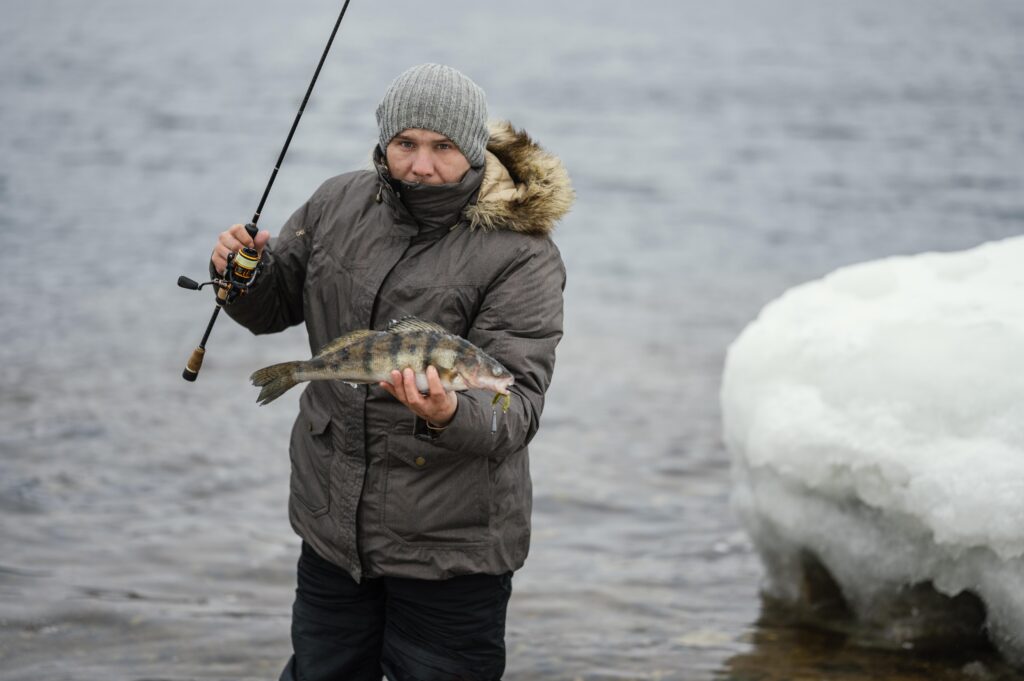
Most casual tourists abandon the state entirely by November, but the fishing never actually stops. Winter fishing is reserved for the truly dedicated angler who values complete solitude and does not mind dealing with sub-zero temperatures.
Freshwater fishing transitions entirely to the ice. Anglers drill through thick frozen lakes to target landlocked salmon, massive northern pike, and fat Arctic char. It requires specialized augers, portable heated shelters, and an immense amount of patience.
Interestingly, the saltwater action remains highly viable in specific coastal towns that stay ice-free. Hardcore captains still run trips out into the bays to target winter Kings. These are salmon that spend their winter feeding in the coastal waters rather than migrating out to the open ocean. Because they spend the winter actively hunting baitfish, their meat is incredibly rich and fatty, making them a massive prize for anyone willing to brave the freezing sea spray.
Book an Alaskan Fishing Charter
There is no single best time to cast a line in these northern waters. The right time to visit depends entirely on what you want to pull out of the water and what kind of environment you want to endure. If you want warm weather and non-stop salmon action, join the summer crowds. If you want quiet rivers and massive trout, pack your rain gear for the fall. By doing your research and timing your trip to match the biological calendar, you guarantee an unforgettable experience in the most productive waters on earth.

About Author